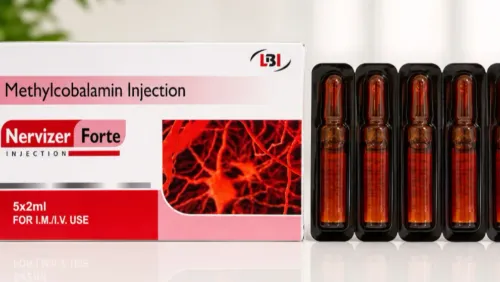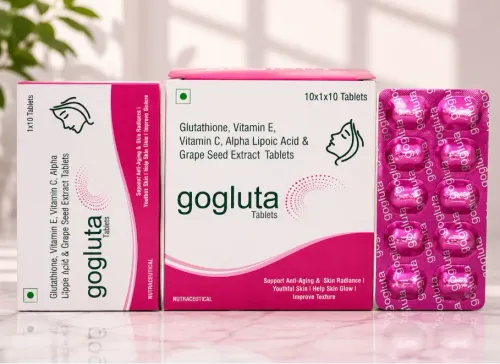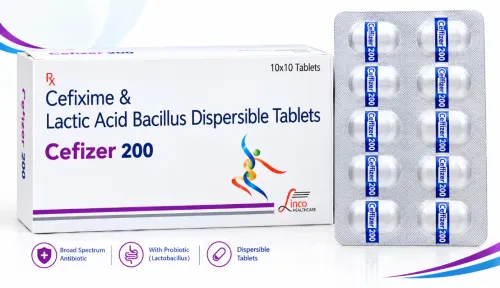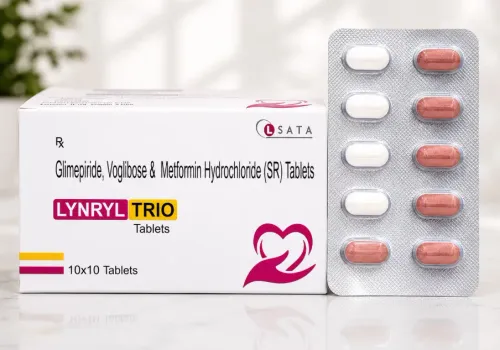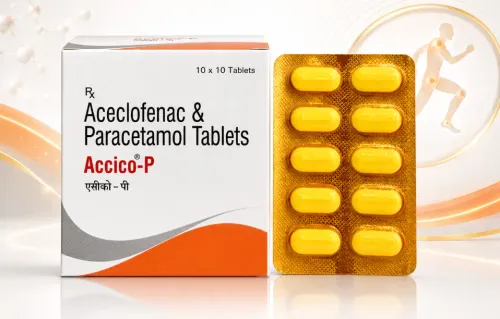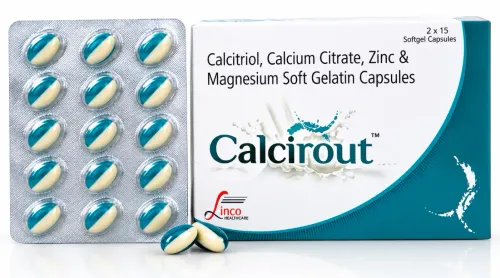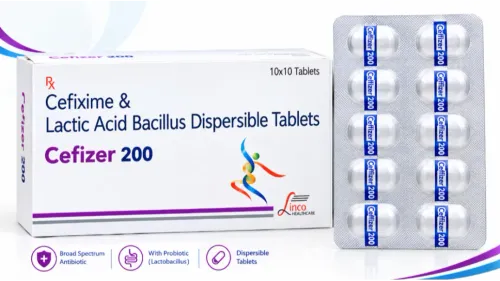
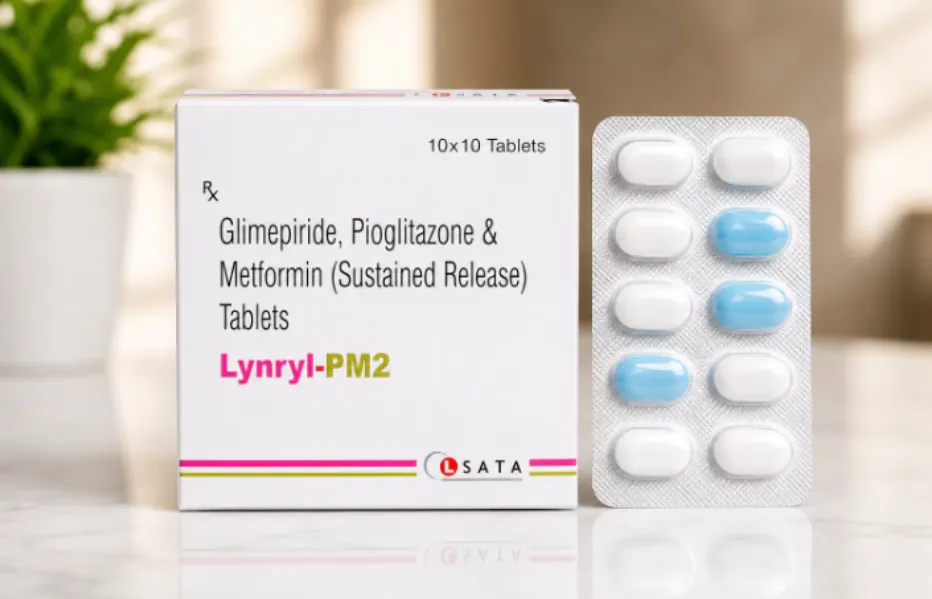
Every medicine available in pharmacies begins with a carefully planned development process known as pharmaceutical formulation. This process combines scientific research, quality standards, and manufacturing expertise to create products that are safe, stable, and suitable for patient use. As pharmaceutical manufacturing continues to grow in Panchkula, Haryana, formulation development remains a key area of innovation for the industry.
What Is a Pharmaceutical Formulation?
A pharmaceutical formulation is the combination of active pharmaceutical ingredients (APIs) and inactive ingredients that together create a finished medicine.
Inactive ingredients play important roles such as:
- Improving stability
- Enhancing taste
- Supporting absorption
- Maintaining consistency
- Increasing shelf life
The formulation determines how effectively a medicine performs throughout its intended shelf life.
Stages of Formulation Development
Developing a pharmaceutical product involves several structured steps.
1. Product Planning
The process begins by identifying the therapeutic purpose and dosage requirements.
2. Ingredient Selection
Scientists choose suitable active ingredients along with compatible excipients.
3. Laboratory Trials
Multiple prototype formulations are prepared and evaluated for stability and performance.
4. Stability Testing
Products undergo testing under different environmental conditions to assess durability.
5. Scale-Up
Successful laboratory formulations are adapted for commercial manufacturing.
6. Quality Evaluation
Each production batch is tested to ensure compliance with quality specifications.
Common Dosage Forms
Pharmaceutical formulations are manufactured in many forms depending on treatment requirements.
These include:
- Tablets
- Capsules
- Oral liquids
- Ointments
- Creams
- Injections
- Powders
- Suspensions
The dosage form is selected based on therapeutic goals and patient convenience.
Factors That Influence Formulation Success
Developers consider numerous variables while designing pharmaceutical formulations.
Important considerations include:
- Drug stability
- Patient safety
- Manufacturing feasibility
- Shelf life
- Packaging compatibility
- Storage conditions
- Regulatory compliance
Balancing these factors helps achieve consistent product performance.
Why Quality Testing Is Essential
Every pharmaceutical formulation undergoes rigorous evaluation before commercial release.
Typical quality tests include:
- Identity testing
- Assay
- Dissolution
- Uniformity
- Microbiological testing
- Stability studies
These evaluations help maintain product consistency throughout production.
Innovation in Pharmaceutical Formulations
Advances in pharmaceutical science continue to improve medicine development through:
- Better delivery systems
- Improved patient compliance
- Enhanced stability
- Faster manufacturing technologies
- More efficient packaging solutions
These innovations support better healthcare outcomes while improving production efficiency.
Manufacturing Expertise Matters
Developing an effective formulation requires collaboration between formulation scientists, quality assurance teams, production specialists, and regulatory professionals. Companies with integrated development capabilities can efficiently move products from concept to commercial manufacturing while maintaining quality throughout the process.
Conclusion
Pharmaceutical formulation is the foundation of modern medicine manufacturing. Every stage, from ingredient selection to final quality testing, contributes to product reliability and patient safety. Manufacturers such as Linco Healthcare Pvt. Ltd. support this process by combining scientific expertise with modern manufacturing practices to develop pharmaceutical formulations that meet the needs of healthcare businesses across India and international markets.
Keywords