
The pharmaceutical export process involves much more than manufacturing medicines and shipping them overseas. Export-oriented pharmaceutical businesses must consider product specifications, documentation, packaging, regulatory requirements, storage conditions, logistics, and the expectations of buyers in the destination market.
For pharmaceutical distributors and healthcare businesses exploring Pharma Export opportunities from India, understanding these requirements can make supplier evaluation more systematic.
Panchkula and the wider pharmaceutical ecosystem of Haryana and North India provide access to manufacturing, packaging, logistics, and pharmaceutical supply networks that support both domestic and international business.
What Does Pharma Export Involve?
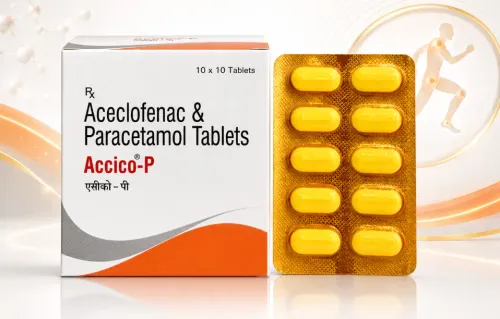
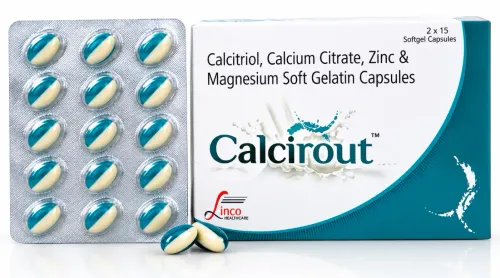
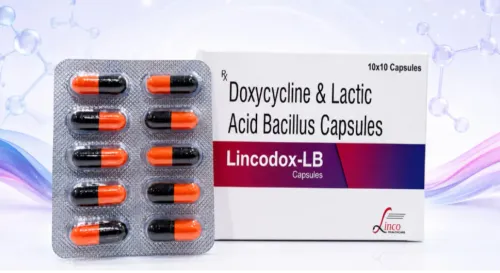
Pharma export refers to supplying pharmaceutical products from one country to approved buyers or distribution channels in another country. Depending on the product and destination, this may involve tablets, capsules, syrups, injectables, nutraceuticals, or other healthcare formulations.
The exact export process varies because pharmaceutical regulations are not identical in every country.
Before entering a market, exporters generally need to understand
- Product registration requirements
- Permitted active ingredients and strengths
- Labelling regulations
- Packaging specifications
- Documentation requirements
- Shelf-life expectations
- Storage and transportation conditions
- Importer or distributor licensing requirements
This is why an export inquiry should begin with the destination country and product requirements rather than simply with a price request.
Product Documentation Matters
International pharmaceutical buyers frequently require detailed product information before proceeding with procurement.
Depending on the market and product category, documentation may include manufacturing information, specifications, analytical documentation, stability-related information, packaging details, batch information, and other regulatory documents.
The documents required should always be determined according to the applicable regulations and the buyer's registration needs.
A well-organized documentation process can reduce avoidable communication delays between manufacturers, exporters, distributors, and regulatory teams.
Packaging Must Suit the Destination Market
Packaging is both a product-protection requirement and a regulatory consideration.
Different markets may require changes in
- Pack size
- Label language
- Product information
- Carton design
- Storage instructions
- Batch identification
- Expiry information
- Barcode requirements
Climate can also influence packaging decisions. A formulation being supplied to a hot or humid region may require particular attention to packaging and transportation conditions.
Export partners should therefore discuss packaging specifications before commercial production rather than treating packaging as a final-stage decision.
Manufacturing Consistency Is Important
International buyers usually expect consistency across repeat orders.
This includes consistency in formulation specifications, packaging, batch documentation, and agreed commercial requirements.
For distributors, wholesalers, hospitals, and healthcare product importers, an inexpensive first shipment offers limited value if subsequent orders cannot be supplied reliably.
Supplier assessment should therefore consider manufacturing capacity, quality systems, communication, and repeat-order planning alongside commercial pricing.
Logistics Need Advance Planning
Pharmaceutical logistics can involve specific handling requirements depending on the product.
Businesses should establish
- Required storage conditions
- Shipping method
- Packaging configuration
- Dispatch documentation
- Destination customs requirements
- Import responsibilities
- Expected transit time
Temperature-sensitive products require additional attention and should be handled according to their validated storage and transportation requirements.
Why Panchkula Can Be Relevant to Pharmaceutical Buyers
Panchkula's location near major pharmaceutical and industrial clusters across Haryana, Punjab, Himachal Pradesh, and Chandigarh makes it relevant to pharmaceutical businesses looking for manufacturing and supply relationships in North India.
Linco Healthcare Pvt. Ltd. operates from Panchkula and works within the pharmaceutical and nutraceutical manufacturing sector. Buyers assessing any export manufacturing relationship should discuss their destination market, formulation requirements, expected quantities, documentation needs, and packaging specifications in detail before finalizing an order.
Successful pharma export depends on coordinated manufacturing, regulatory preparation, documentation, packaging, and logistics. For international buyers, selecting a supplier should therefore be based on the complete export requirement rather than product price alone.