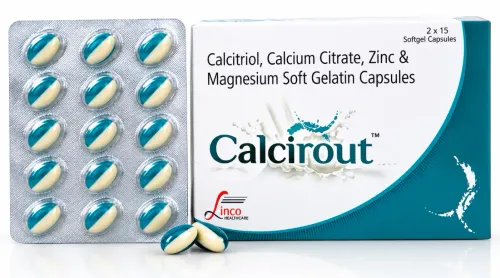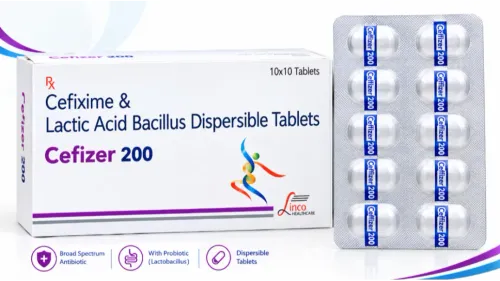
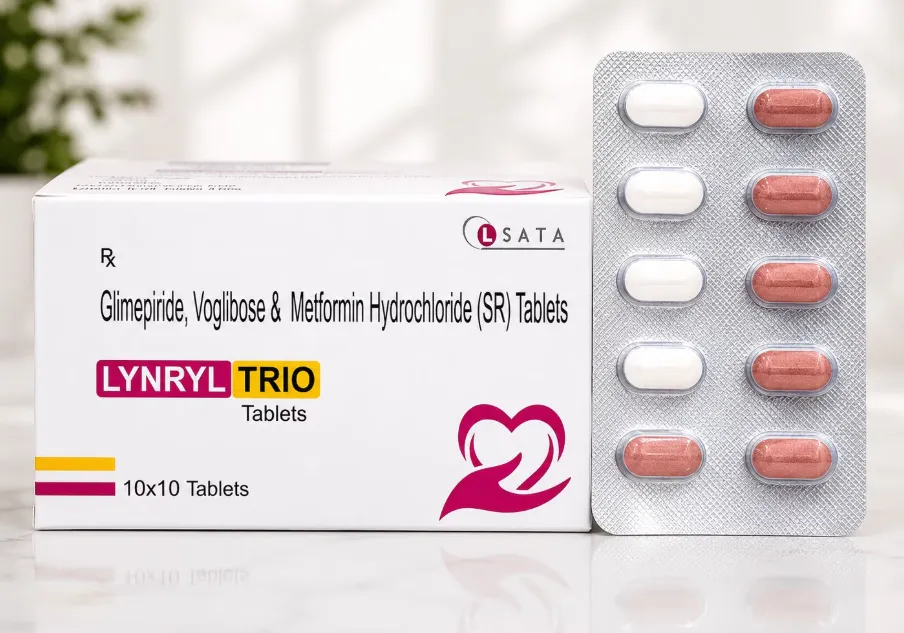
A finished medicine may appear simple when it reaches a pharmacy shelf, but Drug Manufacturing involves multiple controlled stages before a product is ready for distribution.
The exact process differs according to dosage form, formulation, facility, and regulatory requirements. However, understanding the general manufacturing journey can help pharmaceutical distributors, startups, hospitals, and institutional buyers evaluate suppliers more effectively.
For buyers exploring manufacturing relationships in Panchkula, Haryana, it is particularly useful to understand where quality checks and documentation fit into the process.
Manufacturing Starts Before Production
Production cannot begin simply because ingredients are available.
Manufacturers first need an approved product specification, manufacturing instructions, appropriate materials, packaging requirements, and production planning.
Raw materials and packaging materials are handled according to established procedures and applicable quality requirements.
The identity and status of materials must be controlled so that only appropriate materials are used in manufacturing.
Dispensing Requires Accuracy
Once materials are approved for use, the required quantities need to be dispensed according to the manufacturing instructions.
Accuracy at this stage matters because pharmaceutical formulations depend on controlled quantities and processes.
Documentation also creates traceability between materials and the batch being manufactured.
Production Depends on Dosage Form
The next stages vary significantly.
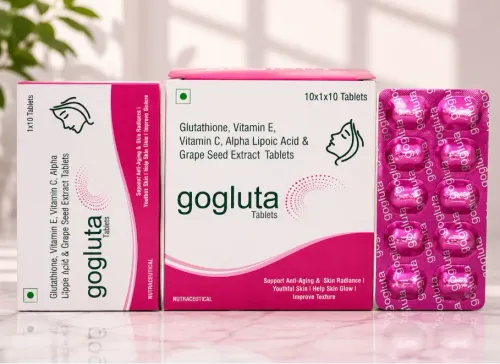
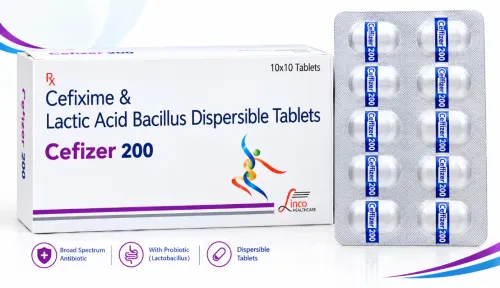
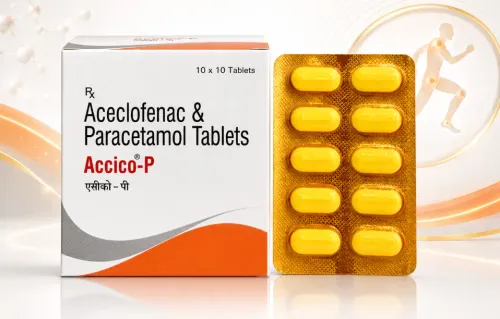
Tablet manufacturing may involve processes such as blending, granulation where applicable, compression, and coating depending on the formulation.
Capsule production involves preparation of the fill material followed by capsule filling and subsequent handling.
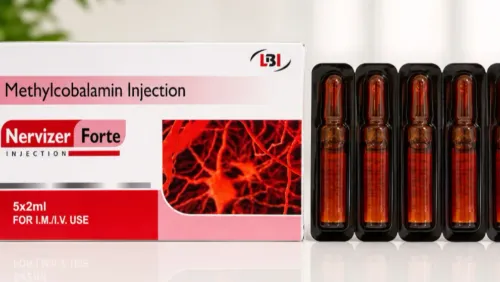
Liquid manufacturing follows a different process, while injectable products require specialized manufacturing environments and controls appropriate to sterile or other applicable production requirements.
This is why buyers should verify dosage-form capability rather than selecting a manufacturer based solely on a broad statement that it produces pharmaceuticals.
In-Process Controls Help Maintain Consistency
Quality is not assessed only after manufacturing is complete.
Relevant parameters can be checked during production to determine whether the process remains within established specifications.
The exact checks depend on the product and manufacturing stage.
This approach helps identify deviations before a batch progresses unnecessarily through later production steps.
Finished Products Require Appropriate Testing
Finished-product testing is performed according to applicable specifications before a batch is released through the manufacturer's established quality system.
The testing required varies by product.
For a commercial buyer, this highlights an important point asking only about price and delivery time provides an incomplete view of manufacturing.
Product specifications and required documentation should also form part of procurement discussions.
Packaging Is Part of Pharmaceutical Manufacturing
Packaging protects a medicine and communicates essential product information.
Depending on the dosage form, primary packaging may include blister packs, bottles, containers, vials, ampoules, or other appropriate systems.
Secondary packaging can include cartons, labels, inserts, and shipping configurations.
Packaging operations also require controls because incorrect labels, batch information, or product identification can create serious problems.
Storage and Dispatch Complete the Supply Process
Finished products must be stored according to their specified conditions before dispatch.
Inventory identification, batch traceability, stock handling, and dispatch documentation contribute to an organized pharmaceutical supply system.
Commercial buyers should communicate expected ordering patterns so manufacturing and supply planning can be aligned where feasible.
Why Understanding the Process Helps Buyers
Linco Healthcare Pvt. Ltd. is based in Panchkula and works in pharmaceutical and nutraceutical manufacturing. Buyers considering the company, or any other pharmaceutical manufacturer in Haryana, can make more informed decisions by discussing the actual manufacturing pathway relevant to their products.
A useful supplier conversation covers formulation specifications, manufacturing capability, quality documentation, packaging, quantities, storage, and delivery expectations.
Drug manufacturing is therefore not a single production activity. It is a connected system of material control, processing, testing, documentation, packaging, storage, and release designed to produce finished pharmaceutical products consistently according to defined requirements.
Keywords