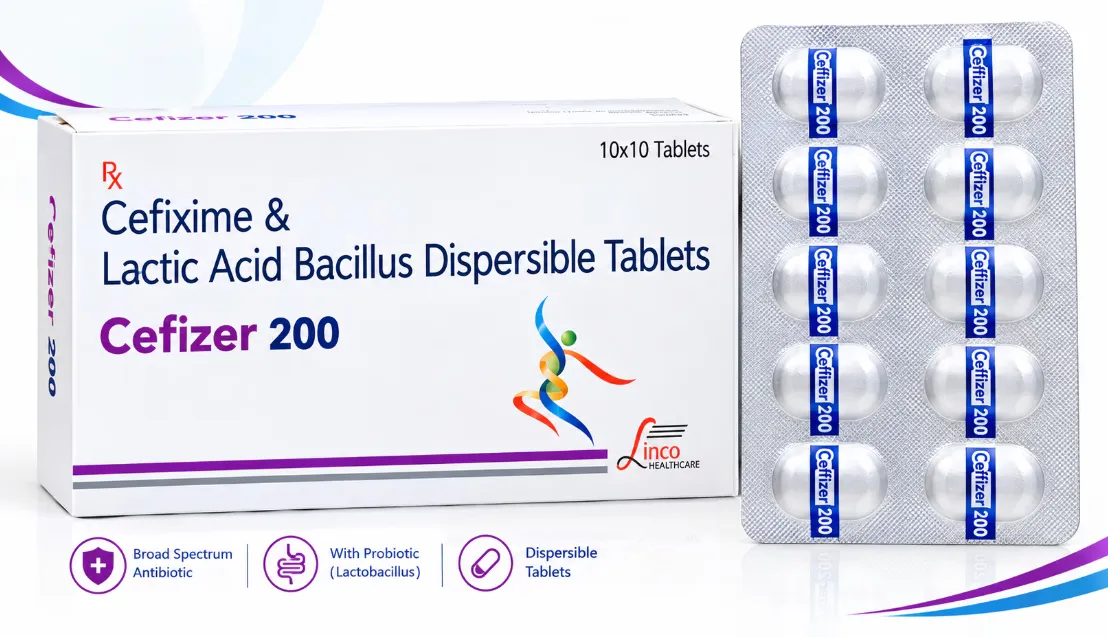
Third-party pharmaceutical manufacturing allows a business to market pharmaceutical products without establishing its own complete production facility. The manufacturing partner produces agreed products according to applicable requirements and commercial arrangements.
The model can be useful for pharma franchise businesses, distributors, established brands, and pharmaceutical startups. However, choosing a Panchkula Pharma Manufacturer requires more than comparing quotations.
A structured evaluation can reduce supply, quality, packaging, and communication problems later.
Start With Actual Manufacturing Capability
A long product list does not automatically mean that every requested formulation can be produced at the same facility.
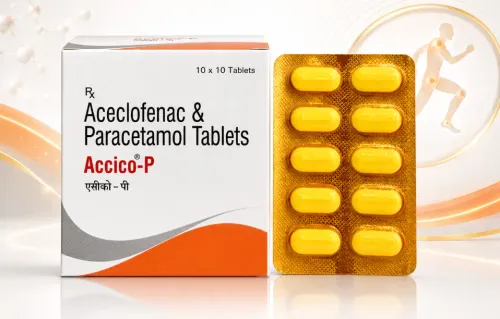
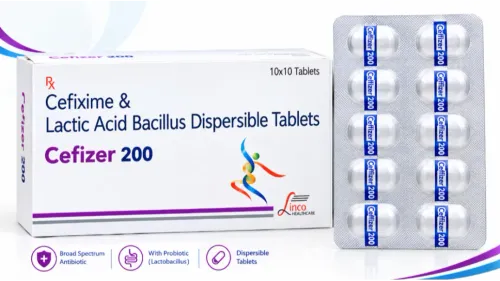
Ask whether the manufacturer handles the specific dosage forms you require.
For example, requirements may involve
- Tablets
- Capsules
- Oral liquids
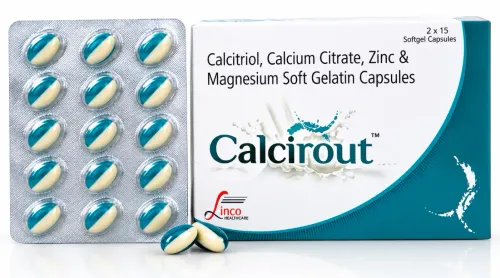
- Nutraceutical formats
- Specialized pharmaceutical formulations
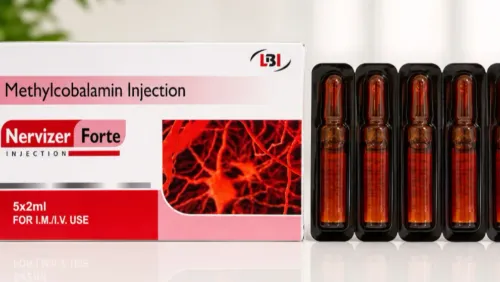
If injectable manufacturing is required, verify that capability separately because injectable products involve specialized manufacturing requirements.
Never assume a facility has a capability simply because the company trades or supplies products in that category.
Review Relevant Manufacturing Credentials
Buyers should request current documentation relevant to their products and applicable regulatory requirements.
Verify documents rather than relying solely on promotional statements.
This becomes particularly important for institutional procurement, export projects, and regulated distribution arrangements where documentary requirements may be more extensive.
If a specific certification or manufacturing standard is essential to your project, request evidence that applies to the relevant facility and product category.
Examine Product and Packaging Options
Third-party manufacturing is often chosen because the buyer wants products presented under a particular commercial identity.
Discuss packaging feasibility early.
Questions may include
- Which pack sizes are feasible?
- What primary packaging is used?
- Can artwork be supplied by the client?
- What regulatory information must appear on the pack?
- What carton configuration is available?
- What are the artwork approval stages?
Packaging changes can influence costs and timelines, so they should not be left until production is nearly ready.
Understand Minimum Quantities
Minimum manufacturing quantities depend on the product, dosage form, packaging, production economics, and facility.
Startups sometimes request very small batches across a large catalogue. This can make manufacturing commercially impractical.
A better approach may be to begin with a focused portfolio and realistic quantities.
Ask for minimum quantities product by product instead of assuming one MOQ applies to everything.
Compare Quotations Properly
The lowest unit rate is not necessarily the lowest total procurement cost.
A quotation should be evaluated alongside
- Product specifications
- Pack configuration
- Quantity
- Applicable taxes and commercial terms
- Packaging scope
- Documentation
- Dispatch terms
- Payment conditions
Two quotations can look similar while covering different specifications.
A like-for-like comparison prevents misleading price conclusions.
Evaluate Communication and Supply Planning
Third-party manufacturing is an ongoing coordination process.
The client may need to manage artwork approvals, forecasts, purchase orders, documentation, manufacturing schedules, and repeat requirements.
Responsive communication can therefore be commercially important.
Ask how repeat orders are planned and how production updates are communicated.
Consider the Advantage of the Panchkula Region
Panchkula is well connected with Chandigarh and pharmaceutical regions across Haryana and neighbouring North Indian states. This can make it convenient for buyers seeking regional manufacturing coordination.
Linco Healthcare Pvt. Ltd. operates from Panchkula in the pharmaceutical and nutraceutical sector. Prospective contract manufacturing clients should provide the company with a detailed requirement and verify the manufacturing, regulatory, quality, packaging, and commercial information relevant to their products.
A third-party manufacturing partner should be selected for fit rather than price alone. The right evaluation combines product capability, documentation, quality expectations, realistic quantities, packaging flexibility, communication, and supply reliability.
Keywords