

Medicines can deliver active ingredients in many different forms. Tablets, capsules, liquids, injections, and other dosage forms are designed according to factors such as the properties of the active ingredient, route of administration, stability requirements, and intended clinical use.
Understanding Pharmaceutical Formulations is useful not only for healthcare professionals but also for distributors, pharmacy businesses, institutional buyers, and pharmaceutical entrepreneurs planning a product portfolio.
For businesses sourcing products from Panchkula and the broader Haryana pharmaceutical market, dosage form is one of the first specifications that should be established during procurement.
What Is a Pharmaceutical Formulation?
A pharmaceutical formulation combines an active pharmaceutical ingredient with other appropriate ingredients to create a finished dosage form.
These additional ingredients may perform different functions depending on the formulation. They can support manufacturing, stability, appearance, delivery, or other required characteristics.
Formulation development must consider the physical and chemical characteristics of the ingredients as well as the intended dosage form.
Tablets Are Widely Used
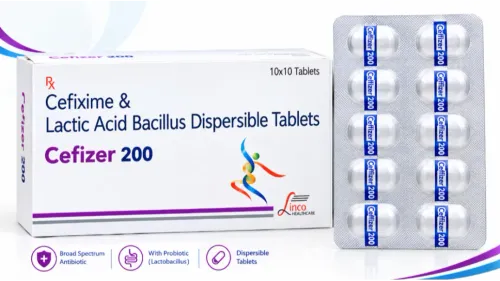
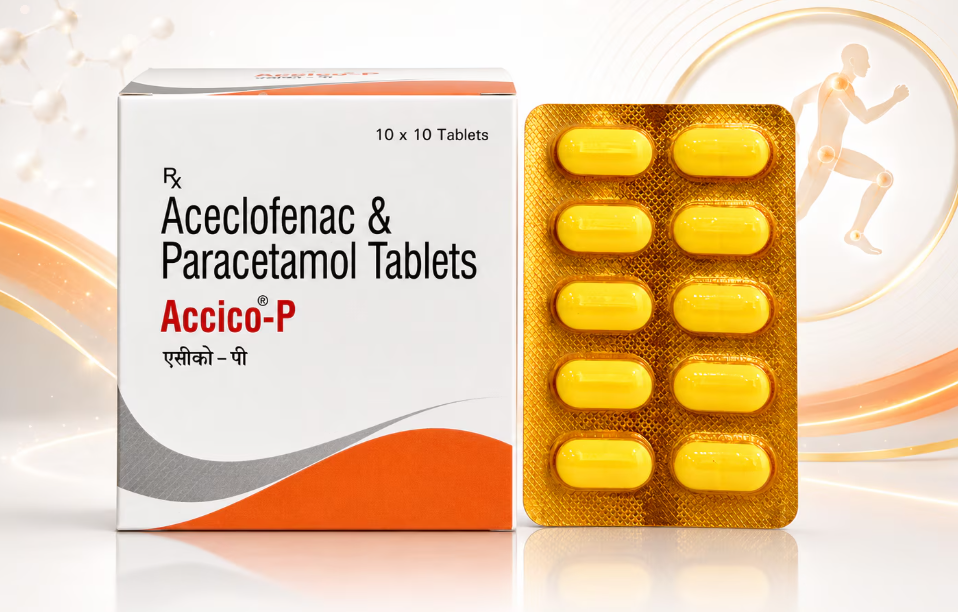
Tablets are among the most familiar oral dosage forms.
Depending on the product, tablets can differ considerably in size, shape, coating, strength, and release characteristics.
Examples include conventional tablets, coated tablets, chewable tablets, dispersible formulations, and certain modified-release dosage forms.
These formats are not interchangeable automatically. Their development and manufacture depend on the intended product specifications.
For commercial buyers, procurement requirements should clearly state the formulation, strength, pack configuration, and applicable product specifications.
Capsules Offer Another Oral Dosage Format
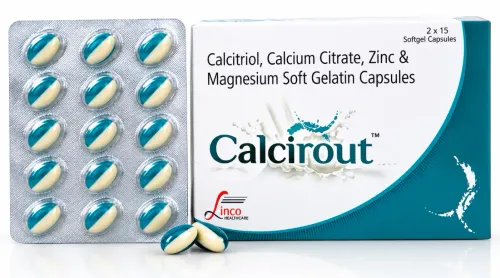
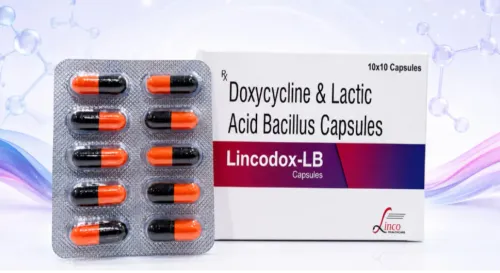
Capsules typically contain pharmaceutical or nutraceutical ingredients enclosed within an appropriate capsule shell.
They are widely encountered in pharmaceutical and nutraceutical portfolios and can be suitable for different formulation requirements.
From a procurement perspective, buyers should confirm details such as
- Composition
- Strength
- Capsule type
- Pack size
- Packaging material
- Storage conditions
- Shelf life
- Required quantity
These specifications help manufacturers assess production and commercial feasibility accurately.
Liquid Formulations Have Different Manufacturing Considerations
Liquid dosage forms may be useful where a product needs to be administered in liquid form.
Manufacturing considerations can include ingredient compatibility, uniformity, microbial control where applicable, filling accuracy, container selection, and product stability.
Packaging is particularly important because the container and closure system must suit the characteristics and intended storage conditions of the product.
Injectable Products Require Specialized Controls
Injectable formulations are administered through parenteral routes and therefore involve specialized manufacturing requirements.
The specific controls depend on the type of injectable product and applicable regulatory standards. Manufacturing infrastructure, environmental controls, process requirements, testing, packaging, and handling need to be appropriate for the product.
Businesses seeking injectable manufacturing should verify the manufacturer's actual capabilities for the specific dosage form rather than assuming that every pharmaceutical facility can manufacture injections.
Nutraceutical Formulations Form a Separate Product Category
Nutraceutical portfolios can include capsules, tablets, powders, liquids, and other formats depending on applicable regulations and product positioning.
A nutraceutical formulation should not be treated automatically as a pharmaceutical medicine. Regulatory classification, claims, labelling, ingredients, and manufacturing requirements can differ.
Brands entering this segment should determine the correct product category before developing labels or promotional material.
Selecting the Appropriate Dosage Form
There is no universally best dosage form.
Selection depends on factors including the intended product, ingredient characteristics, regulatory classification, target market, stability, packaging, and commercial strategy.
Linco Healthcare Pvt. Ltd. operates in Panchkula, Haryana, within pharmaceutical and nutraceutical manufacturing. Businesses discussing a manufacturing requirement should begin with a clear product brief containing composition, dosage form, strength, packaging, expected quantity, and target market.
Understanding pharmaceutical formulations at this level helps buyers ask better questions. Instead of requesting simply a medicine, a well-prepared buyer can define exactly what needs to be manufactured, documented, packaged, and supplied.