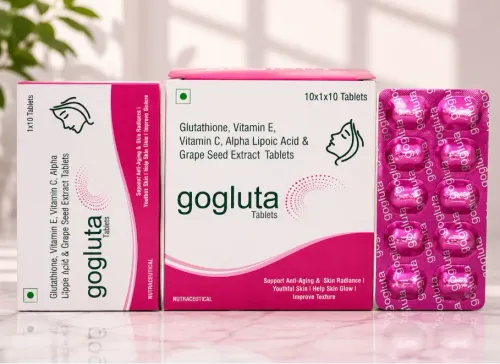
Demand for Nutraceutical Products has created opportunities for established healthcare businesses as well as new brands. However, launching a nutraceutical range involves more than choosing popular ingredients and creating attractive packaging.
Product category, ingredient selection, formulation feasibility, regulatory requirements, manufacturing capability, labelling, quantities, and commercial positioning all need consideration.
For nutraceutical brands exploring manufacturing options in Panchkula and Haryana, a structured supplier evaluation can help avoid common launch problems.
Start With a Defined Consumer Need
A nutraceutical portfolio should have a clear reason for existing.
Instead of beginning with a list of ingredients, determine the intended consumer category and product format.
A brand may be exploring products associated with general nutrition, specific nutrient supplementation, wellness positioning, or other permitted categories.
The exact formulation and claims must remain consistent with applicable regulations.
Avoid developing marketing claims first and trying to make the product fit them later.
Determine the Correct Product Category
Pharmaceutical medicines and nutraceutical products are not automatically governed in the same way.
Regulatory classification influences ingredients, claims, labelling, manufacturing requirements, and marketing.
Brands should establish the applicable category before finalizing packaging or promotional material.
This is particularly important when an ingredient is widely used online with exaggerated health claims. Popularity on social media does not make every claim permissible or scientifically justified.
Evaluate Formulation Capability
Nutraceuticals can appear in several formats, including capsules, tablets, powders, and liquids depending on the product.
A manufacturer that handles one format may not necessarily be the ideal provider for another.
Discuss
- Proposed ingredients
- Intended serving or strength
- Dosage format
- Flavour requirements where relevant
- Pack size
- Expected quantity
- Packaging format
- Target market
Technical feasibility should be established before the commercial launch plan is finalized.
Look Beyond Attractive Packaging
Packaging has an important marketing role, but it also needs to protect the product and communicate required information.
A premium-looking carton cannot compensate for a poorly defined formulation.
Brands should prioritize product specifications and compliant information before focusing on decorative design.
When artwork is developed, make sure the required product information has adequate space and is reviewed before printing.
Understand Manufacturing Quantities
A startup may want a broad catalogue but have limited initial distribution.
Manufacturing too many SKUs can divide working capital across products that have not yet established demand.
Ask for minimum manufacturing quantities for each formulation and packaging configuration.
Then estimate how long the stock could take to sell under realistic rather than ideal sales assumptions.
This simple exercise can influence whether a brand should launch five focused products or twenty products simultaneously.
Assess Repeat-Order Capability
A successful product needs continuity.
Once distributors and retailers begin reordering, inconsistent availability can disrupt growth.
Discuss production planning, expected lead times, packaging material requirements, and how repeat orders are handled.
Brands should also maintain their own demand forecasts rather than expecting the manufacturer to predict retail sales.
Manufacturing Support in Panchkula
Panchkula is strategically connected to the pharmaceutical and healthcare business network across Haryana and the Chandigarh region.
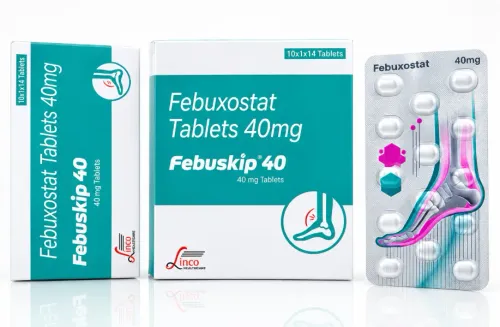
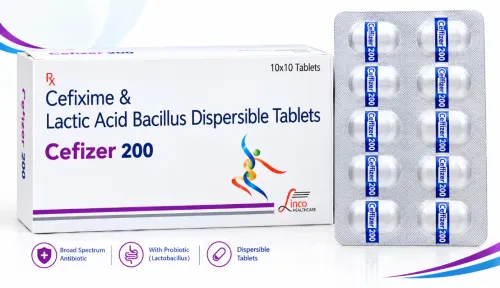
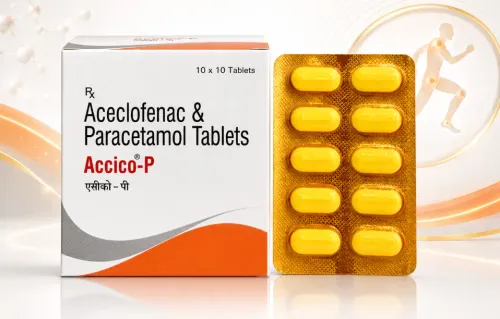
Linco Healthcare Pvt. Ltd. operates in the pharmaceutical and nutraceutical sector from Panchkula. Brands evaluating the company should discuss their intended product category, formulation, quantity, packaging, documentation, and market before requesting a final commercial proposal.
Choosing a nutraceutical manufacturer is ultimately a product-development decision as much as a procurement decision.
A suitable manufacturing partner should fit the formulation, regulatory category, required quantities, packaging needs, quality expectations, and supply plan. Getting these fundamentals right gives a nutraceutical brand a stronger platform for building a sustainable product range.
Keywords