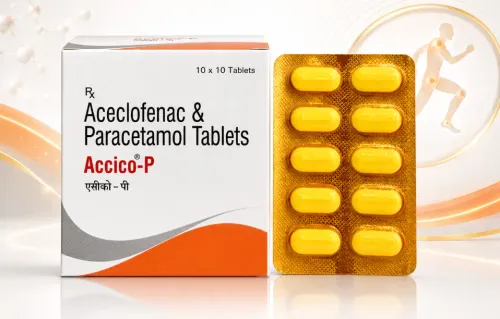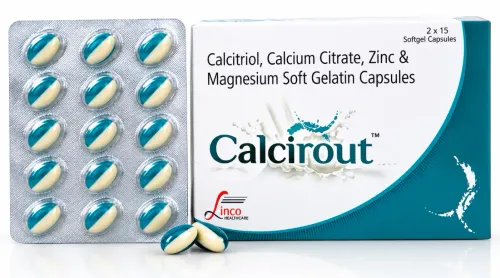


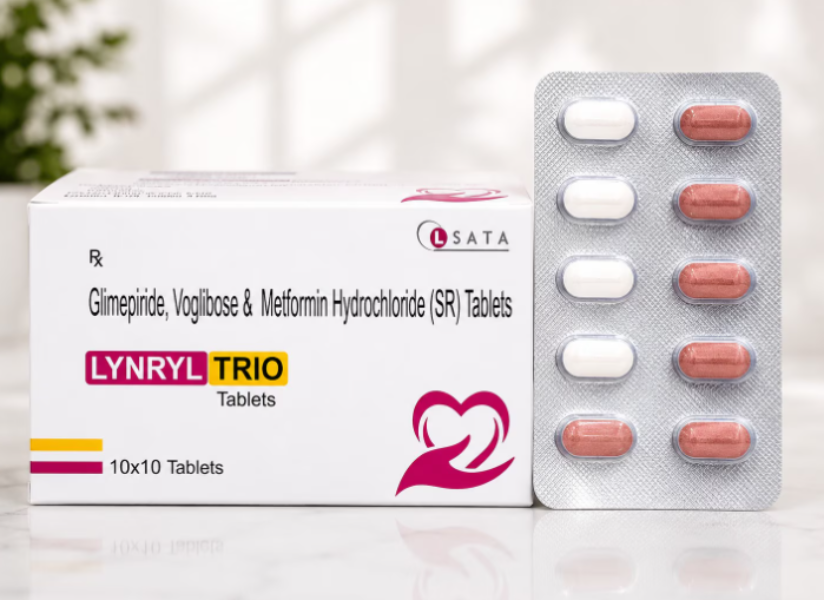
Tablets are among the most commonly prescribed and widely consumed pharmaceutical dosage forms across the world. From pain relief medicines and antibiotics to vitamins and chronic disease management therapies, tablets play a vital role in modern healthcare. While they may appear simple, manufacturing high-quality tablets involves a carefully controlled process that demands scientific precision, advanced equipment, and rigorous quality management.
For pharmaceutical distributors, healthcare entrepreneurs, institutional buyers, and procurement managers, understanding how tablets manufacturing works can help in evaluating manufacturing partners more effectively. As pharmaceutical production continues to expand across India, industrial hubs like Panchkula have become important centers for manufacturing quality pharmaceutical products that serve domestic and international markets.
What Is Tablets Manufacturing?
Tablet manufacturing is the process of converting active pharmaceutical ingredients (APIs) and carefully selected excipients into solid oral dosage forms that deliver accurate and consistent medication.
Every tablet must contain the correct quantity of the active ingredient while maintaining uniformity in size, hardness, weight, and stability. Even minor variations can influence product quality, making precision essential throughout the manufacturing process.
The process combines pharmaceutical science, engineering, and quality assurance to ensure that every batch meets established standards.
The Main Stages of Tablets Manufacturing
Although manufacturing methods may vary depending on the formulation, most pharmaceutical companies follow a structured production workflow.
1. Raw Material Selection and Testing
The quality of a tablet begins with its raw materials.
Before production starts, all ingredients undergo laboratory evaluation to verify parameters such as:
- Identity
- Purity
- Moisture content
- Particle size
- Chemical composition
Only approved materials are released for manufacturing.
2. Formulation and Blending
The active pharmaceutical ingredient is mixed with excipients that improve the tablet's performance and stability.
These may include ingredients that help with:
- Binding
- Disintegration
- Lubrication
- Flow properties
- Stability
Uniform blending ensures that every tablet contains the intended dosage.
3. Granulation
Many formulations require granulation before compression.
Granulation improves:
- Powder flow
- Compressibility
- Uniform distribution of ingredients
- Production efficiency
Depending on the formulation, manufacturers may use wet granulation, dry granulation, or direct compression techniques.
4. Tablet Compression
Compression transforms the prepared granules into tablets using specialized tablet presses.
During this stage, manufacturers monitor several important parameters, including:
- Tablet weight
- Thickness
- Hardness
- Compression force
- Appearance
Continuous monitoring helps maintain consistency throughout the production batch.
5. Tablet Coating
Some tablets receive protective or functional coatings.
Coating may serve several purposes:
- Improve stability
- Mask unpleasant taste
- Protect against moisture
- Enhance appearance
- Control drug release
The coating process also requires careful monitoring to maintain uniformity.
6. Packaging
After passing quality inspection, tablets are packed in blister packs, bottles, or other suitable packaging designed to preserve product integrity during transportation and storage.
Proper packaging protects medicines from environmental factors such as humidity, light, and contamination.
Why Precision Matters in Tablets Manufacturing
Manufacturing tablets is not simply about producing large quantities. Every batch must consistently meet predefined quality specifications.
Precision helps ensure:
- Correct dosage in every tablet
- Consistent therapeutic performance
- Uniform appearance
- Stable shelf life
- Reduced manufacturing defects
- Better patient confidence
Quality-focused manufacturers continuously monitor production conditions to reduce variability and maintain batch-to-batch consistency.
Quality Control Throughout the Process
Quality assurance is integrated into every stage of pharmaceutical manufacturing rather than being limited to final product testing.
Typical quality evaluations include:
- Raw material analysis
- Blend uniformity testing
- Weight variation testing
- Hardness testing
- Friability testing
- Dissolution studies
- Disintegration testing
- Stability studies
These assessments help verify that products meet established pharmaceutical standards before distribution.
Choosing a Tablets Manufacturing Partner
Businesses looking for manufacturing support should evaluate more than production capacity alone.
Important considerations include:
- Manufacturing infrastructure
- Quality management systems
- Product consistency
- Documentation practices
- Regulatory compliance
- Technical expertise
- Packaging capabilities
- Ability to scale production
A manufacturer with well-established systems is often better equipped to support long-term business growth.
Why Panchkula Continues to Attract Pharmaceutical Businesses
Panchkula has become an important pharmaceutical manufacturing destination due to its industrial development, strategic location, and access to skilled professionals. Its connectivity to key healthcare markets across North India enables manufacturers to efficiently supply distributors, hospitals, retail pharmacies, and institutional buyers.
Businesses sourcing pharmaceutical products from manufacturers in this region often benefit from streamlined logistics and dependable supply chains.
Linco Healthcare Pvt. Ltd. is among the pharmaceutical manufacturers operating from Panchkula, offering manufacturing solutions across a range of healthcare products, including tablet formulations. Organizations evaluating manufacturing partners generally consider factors such as production capabilities, quality assurance systems, documentation standards, and operational consistency before entering long-term collaborations.
The Future of Tablets Manufacturing
Advancements in pharmaceutical technology continue to improve the efficiency and precision of tablet production. Automated manufacturing systems, digital quality monitoring, process validation, and modern analytical techniques are helping manufacturers achieve greater consistency while meeting evolving regulatory expectations.
As demand for high-quality pharmaceutical products continues to grow, precision in tablets manufacturing will remain a defining factor for success. Businesses that prioritize manufacturers with robust quality systems, modern infrastructure, and reliable production processes are better positioned to deliver consistent healthcare products to the markets they serve.