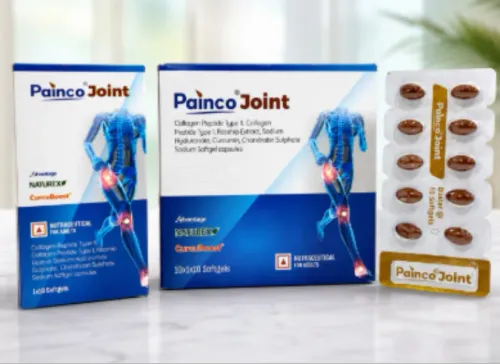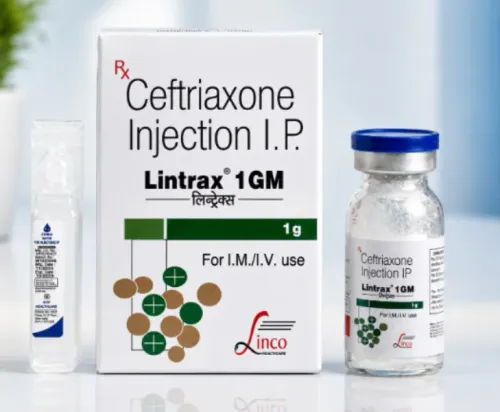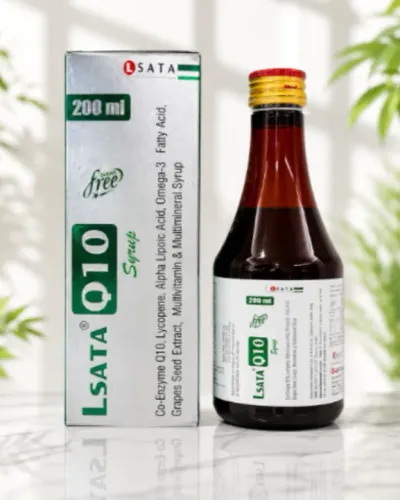


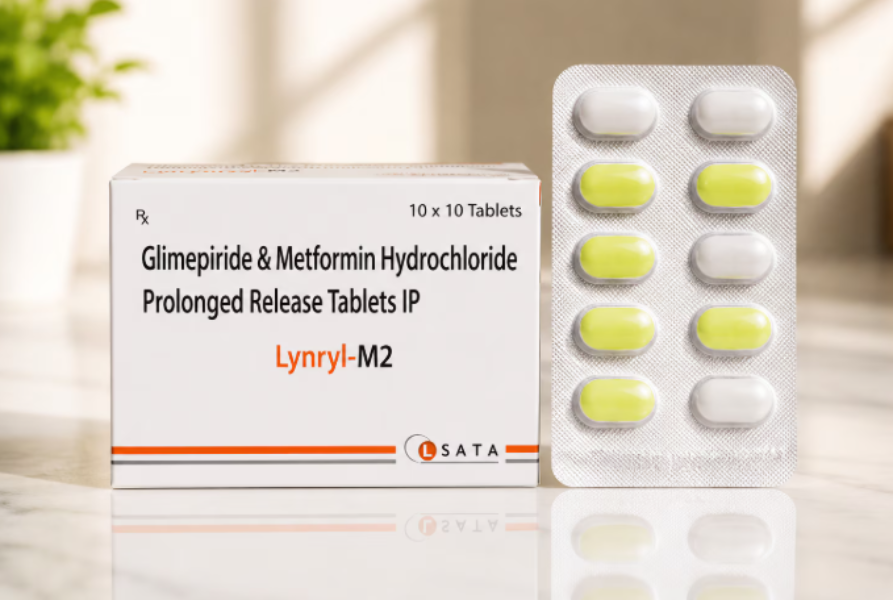
Pharmaceutical manufacturing is one of the most critical pillars of modern healthcare. Every tablet, capsule, syrup, injection, and nutritional supplement available in pharmacies undergoes a carefully controlled manufacturing process before reaching patients. For healthcare businesses, distributors, hospitals, and entrepreneurs, understanding how pharmaceutical manufacturing works can help in making informed sourcing and business decisions.
With India emerging as a global pharmaceutical hub, regions such as Panchkula in Haryana have become important manufacturing destinations due to their industrial infrastructure, regulatory environment, and access to skilled professionals. Businesses looking for reliable production partners often evaluate manufacturers based not only on product quality but also on compliance, scalability, and long-term consistency.
Understanding Pharmaceutical Manufacturing
Pharmaceutical manufacturing refers to the complete process of producing medicines and healthcare products under regulated conditions. The objective is to ensure that every product is safe, effective, stable, and manufactured according to established quality standards.
The manufacturing journey typically involves:
- Research and formulation development
- Procurement of approved raw materials
- Product manufacturing
- Quality control testing
- Packaging and labeling
- Batch documentation
- Distribution
Every stage follows detailed Standard Operating Procedures (SOPs) to maintain product consistency and regulatory compliance.
Different Types of Pharmaceutical Products
Modern pharmaceutical companies manufacture a wide range of dosage forms depending on therapeutic requirements.
Some of the most commonly produced products include:
- Tablets
- Capsules
- Oral syrups
- Dry syrups
- Injectable medicines
- Ointments and creams
- Nutraceutical supplements
- Protein formulations
- Herbal healthcare products
Each dosage form requires specialized equipment, manufacturing conditions, and quality testing methods.
Why Quality Manufacturing Matters
Medicines directly impact patient health, making manufacturing quality extremely important.
Reliable pharmaceutical manufacturing ensures:
- Accurate dosage in every unit
- Product stability throughout shelf life
- Consistent therapeutic effectiveness
- Reduced contamination risks
- Better patient safety
- Regulatory compliance
Even small variations during production can affect medicine quality, which is why certified manufacturing facilities invest heavily in quality assurance systems.
Key Stages of Pharmaceutical Manufacturing
Although manufacturing processes vary depending on the product type, most facilities follow a structured workflow.
1. Raw Material Inspection
Every ingredient is tested before entering production. Only approved materials meeting quality specifications are accepted.
2. Formulation Preparation
Active pharmaceutical ingredients (APIs) are blended with excipients according to validated formulations.
3. Manufacturing Process
Depending on the dosage form, this stage may involve:
- Granulation
- Compression
- Encapsulation
- Liquid mixing
- Sterilization
- Filling
- Coating
Advanced machinery helps maintain precision throughout production.
4. Quality Testing
Samples are tested at different stages for parameters such as:
- Purity
- Strength
- Uniformity
- Dissolution
- Stability
- Microbial safety
Only products that meet required specifications move forward.
5. Packaging
Packaging protects medicines from moisture, heat, light, and contamination while ensuring product information is clearly displayed.
Regulatory Standards in India
The Indian pharmaceutical industry operates under strict regulatory guidelines designed to protect public health.
Manufacturers typically comply with standards related to:
- Good Manufacturing Practices (GMP)
- Schedule M requirements
- Quality Management Systems
- Product validation
- Documentation protocols
These standards ensure consistency across production batches and build confidence among distributors, healthcare providers, and institutional buyers.
Why Businesses Choose Established Manufacturing Partners
Healthcare businesses often depend on manufacturing partners rather than setting up their own production facilities.
Some advantages include:
- Access to advanced manufacturing infrastructure
- Faster product launches
- Lower capital investment
- Regulatory support
- Scalable production capacity
- Wider product portfolio
This approach enables businesses to focus on marketing, distribution, and customer relationships while production is handled by experienced manufacturers.
Panchkula's Growing Role in Pharmaceutical Manufacturing
Haryana has developed into a significant pharmaceutical manufacturing region over the past decade. Panchkula benefits from excellent connectivity, proximity to pharmaceutical clusters, and access to logistics networks serving North India.
This regional advantage supports timely product delivery across states while making collaboration easier for distributors and institutional buyers.
Companies such as Linco Healthcare Pvt. Ltd. contribute to this manufacturing ecosystem by producing a diverse range of pharmaceutical and healthcare products while following structured quality systems and industry standards. Businesses evaluating manufacturing partners often review production capabilities, certifications, product range, and quality practices before making long-term decisions.
Factors to Consider Before Selecting a Manufacturer
Choosing the right pharmaceutical manufacturing company involves more than comparing prices.
Important evaluation criteria include:
- Manufacturing infrastructure
- Product range
- Regulatory compliance
- Quality assurance processes
- Documentation support
- Production capacity
- Timely delivery
- Technical expertise
A manufacturer capable of maintaining consistency across every production batch can become a valuable long-term business partner.
The Future of Pharmaceutical Manufacturing
Technology continues to reshape pharmaceutical production through automation, digital quality monitoring, advanced packaging systems, and improved manufacturing efficiency.
Healthcare buyers are increasingly seeking manufacturers that combine regulatory compliance with innovation, helping ensure reliable supply and consistent product quality.
As demand for medicines, nutraceuticals, and healthcare products continues to rise across India, pharmaceutical manufacturing will remain a key driver of healthcare accessibility. Businesses that understand how the manufacturing process works are better positioned to choose dependable partners capable of supporting sustainable growth.