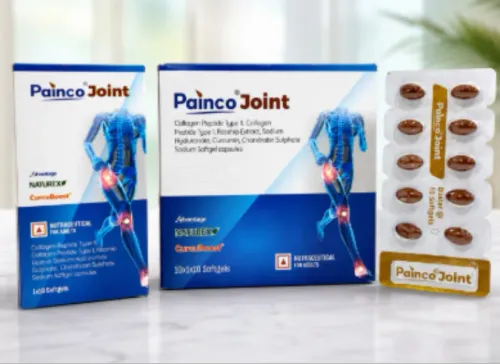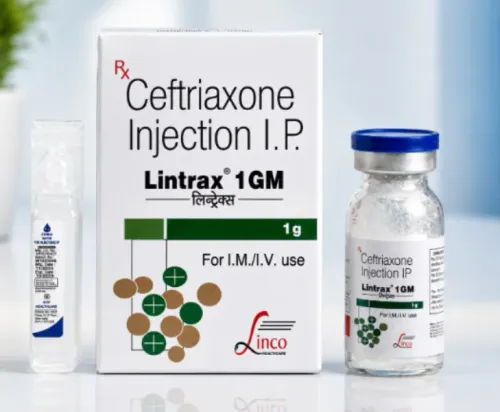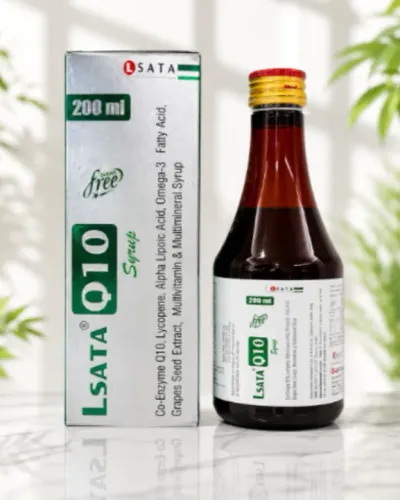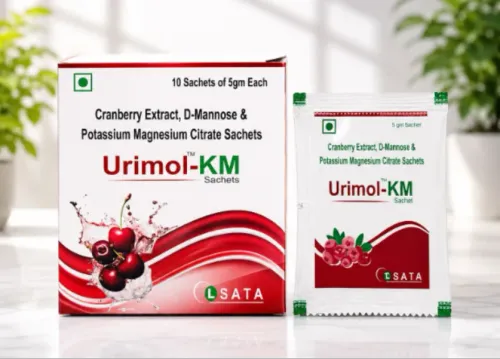


Launching pharmaceutical products no longer requires owning a manufacturing plant. Today, many pharmaceutical companies, healthcare entrepreneurs, distributors, and marketing organizations rely on third party pharma manufacturing to introduce quality medicines while avoiding the significant investment required to establish production facilities.
This manufacturing model has become increasingly popular across India because it combines operational efficiency with faster market entry. For businesses serving North India, manufacturing hubs around Panchkula and Haryana provide access to experienced pharmaceutical producers capable of supporting a wide variety of formulations.
What Is Third Party Pharma Manufacturing?
Third party pharma manufacturing is a business arrangement where one company manufactures medicines on behalf of another company using agreed specifications, formulations, packaging requirements, and regulatory standards.
The marketing company owns the brand, while the manufacturer handles production under approved quality systems.
This model allows businesses to offer pharmaceutical products without investing in:
- Manufacturing plants
- Production equipment
- Technical workforce
- Laboratory infrastructure
- Regulatory manufacturing approvals
Instead, they collaborate with an established pharmaceutical manufacturer that already possesses these capabilities.
How the Process Works
Although individual projects may vary, the overall workflow remains straightforward.
Product Selection
The client chooses the products they wish to market, such as:
- Tablets
- Capsules
- Syrups
- Nutraceuticals
- Injectables
- Healthcare products
Finalizing Specifications
The manufacturer and client agree on:
- Product formulation
- Dosage strength
- Packaging style
- Label design
- Quantity requirements
Manufacturing
Production begins after documentation and approvals are completed. Every batch follows established manufacturing protocols and quality control procedures.
Quality Testing
Finished products undergo laboratory testing before packaging and dispatch to ensure they meet defined quality standards.
Delivery
The products are supplied according to agreed timelines, enabling businesses to begin marketing and distribution.
Benefits of Third Party Pharma Manufacturing
This business model offers practical advantages for companies of different sizes.
Lower Investment
Building a pharmaceutical manufacturing facility requires substantial capital investment.
Third party manufacturing eliminates the need for:
- Factory construction
- Specialized machinery
- Laboratory setup
- Manufacturing workforce
This significantly reduces startup costs.
Faster Product Launch
Businesses can introduce products much more quickly because the manufacturing infrastructure already exists.
This enables companies to respond rapidly to changing healthcare demands.
Wider Product Portfolio
Working with experienced manufacturers often provides access to multiple dosage forms under one partnership.
Businesses can gradually expand into:
- General medicines
- Nutraceutical products
- Pediatric formulations
- Specialty products
without establishing separate production units.
Regulatory Support
Established manufacturers are familiar with documentation requirements, production validation, and quality procedures, making the overall process smoother for clients.
Who Can Benefit?
Third party pharma manufacturing is suitable for many healthcare businesses, including:
- Pharmaceutical marketing companies
- PCD pharma franchise organizations
- Healthcare startups
- Retail pharmacy chains
- Hospital procurement teams
- Institutional suppliers
- Export businesses
Each category benefits from reliable manufacturing while focusing on branding, sales, and market expansion.
Common Misconceptions
Some businesses believe outsourcing manufacturing means sacrificing quality.
In reality, product quality depends on the manufacturer's systems, infrastructure, quality assurance protocols, and compliance standards rather than ownership of the production facility.
Another misconception is that third party manufacturing is only suitable for large companies.
In fact, many small and medium healthcare businesses successfully build their product portfolios through manufacturing partnerships.
Why Location Matters
Manufacturing locations influence logistics, supply chain efficiency, and production timelines.
Panchkula has become an attractive destination due to its proximity to major pharmaceutical regions, transportation networks, and skilled workforce.
Businesses sourcing products from Haryana often benefit from improved accessibility to northern markets while maintaining efficient distribution across multiple states.
Selecting the Right Manufacturing Partner
Before finalizing a partnership, businesses should evaluate several important factors.
Look for:
- Manufacturing capability
- Product variety
- Quality management systems
- Batch consistency
- Documentation practices
- Production scalability
- Communication transparency
Companies like Linco Healthcare Pvt. Ltd. work with businesses seeking structured third party manufacturing solutions across various pharmaceutical and healthcare product categories. Rather than focusing solely on production volume, many buyers evaluate long-term consistency and regulatory discipline when selecting a manufacturing partner.
Final Thoughts
Third party pharma manufacturing has transformed how pharmaceutical businesses operate. It enables organizations to introduce quality healthcare products while minimizing investment, reducing operational complexity, and accelerating market entry.
For entrepreneurs, distributors, wholesalers, and healthcare organizations, understanding this manufacturing model provides a strong foundation for building a sustainable pharmaceutical business. Selecting an experienced manufacturing partner with established quality systems remains one of the most important decisions for long-term success.