

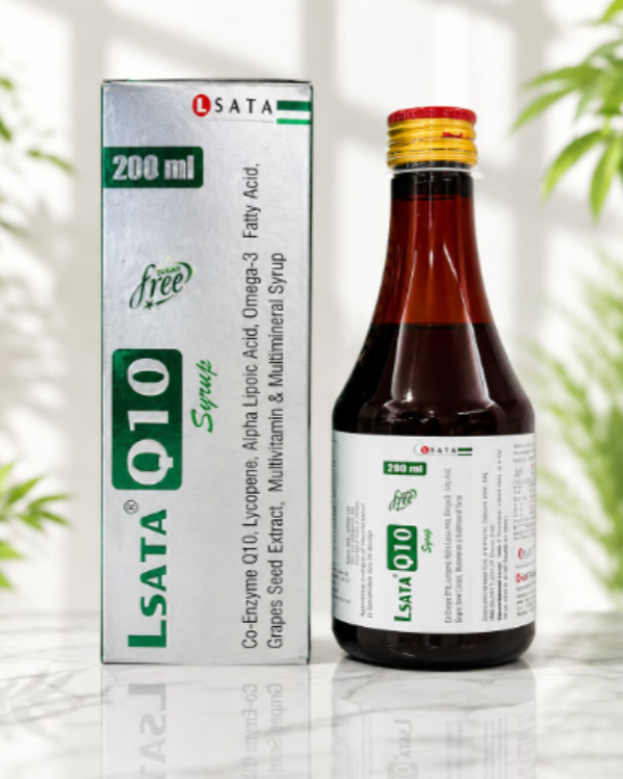
Liquid medicines continue to play a vital role in healthcare because they offer an effective dosage form for children, older adults, and patients who have difficulty swallowing tablets or capsules. From cough syrups and pediatric formulations to nutritional supplements and digestive medicines, pharmaceutical syrups are widely used across multiple therapeutic categories. However, manufacturing these products requires a high level of precision, hygiene, and quality control to ensure safety, stability, and consistency.
For pharmaceutical distributors, hospitals, clinics, healthcare entrepreneurs, and institutional buyers, understanding the syrup manufacturing process can make it easier to evaluate manufacturing partners. With pharmaceutical manufacturing hubs such as Panchkula supporting healthcare businesses across India, selecting the right manufacturer involves much more than comparing production costs.
What Is Syrup Manufacturing?
Syrup manufacturing is the process of producing liquid pharmaceutical formulations by combining active pharmaceutical ingredients with carefully selected excipients such as sweeteners, preservatives, stabilizers, flavouring agents, and purified water under controlled manufacturing conditions.
The objective is to produce a stable, uniform, and safe liquid medicine that delivers the intended therapeutic effect while maintaining quality throughout its shelf life.
Syrups are commonly manufactured for:
- Pediatric medicines
- Cough and cold formulations
- Vitamin supplements
- Iron tonics
- Digestive preparations
- Herbal healthcare products
- Nutraceutical formulations
Each product requires a formulation specifically developed to maintain stability and effectiveness.
Why Liquid Formulations Require Special Care
Unlike solid dosage forms, liquid medicines are generally more sensitive to environmental conditions and microbial contamination. This makes every stage of production especially important.
Manufacturers must carefully control factors such as:
- Water quality
- Mixing temperature
- Ingredient compatibility
- Microbial safety
- Packaging integrity
- Storage conditions
Even minor variations during manufacturing can affect the quality, taste, appearance, or stability of the finished product.
The Syrup Manufacturing Process
Although formulations vary depending on the product, the overall manufacturing process follows a structured sequence.
Raw Material Testing
Every ingredient is tested before production begins to ensure it meets predefined quality specifications. This includes active ingredients as well as sweeteners, preservatives, colours, and flavouring agents.
Preparation of the Base Solution
Purified water and other excipients are carefully mixed under controlled conditions to create a uniform base solution.
Temperature, mixing speed, and processing time are monitored to maintain consistency.
Addition of Active Ingredients
The active pharmaceutical ingredient is gradually incorporated into the solution using validated manufacturing procedures.
This step requires precise measurement and continuous mixing to ensure even distribution throughout the batch.
Filtration and Quality Checks
The finished solution is filtered where required and sampled for laboratory analysis.
Quality control teams evaluate parameters such as:
- Appearance
- pH
- Viscosity
- Assay
- Microbial limits
- Uniformity
Only products meeting established standards proceed to packaging.
Filling and Packaging
Automated filling systems accurately dispense the syrup into bottles before sealing, labeling, and secondary packaging.
Proper packaging protects the medicine from contamination and environmental exposure during transportation and storage.
Why Quality Control Is Critical
Quality assurance is one of the most important aspects of pharmaceutical syrup manufacturing.
Reliable manufacturers perform testing throughout production rather than relying solely on final product inspection.
Typical quality evaluations include:
- Raw material verification
- In-process monitoring
- Finished product testing
- Stability studies
- Packaging inspection
- Batch documentation
These measures help ensure that every bottle maintains the expected quality and performance.
Choosing the Right Syrup Manufacturing Partner
Businesses looking for a manufacturing partner should evaluate several factors before making a decision.
Important considerations include:
- Modern manufacturing facilities
- Hygienic production environment
- Quality assurance systems
- Laboratory infrastructure
- Regulatory compliance
- Production capacity
- Packaging options
- Supply chain reliability
A manufacturer with well-established quality systems is often better equipped to deliver consistent results over the long term.
The Importance of Manufacturing Infrastructure
Advanced manufacturing infrastructure contributes significantly to product quality and production efficiency.
Facilities equipped with automated mixing systems, stainless steel processing equipment, purified water systems, and modern filling lines can help maintain consistency while supporting larger production volumes.
This becomes especially important for businesses planning to expand their product portfolios or serve multiple markets.
Panchkula's Growing Contribution to Pharmaceutical Manufacturing
Panchkula has developed into an important pharmaceutical manufacturing destination within North India. Its strategic location, industrial infrastructure, and access to skilled professionals make it a preferred choice for pharmaceutical companies supplying medicines to distributors, hospitals, retail pharmacies, and institutional buyers.
Manufacturers operating from this region are well positioned to support healthcare businesses with efficient logistics and dependable production capabilities.
Linco Healthcare Pvt. Ltd. is among the pharmaceutical manufacturers based in Panchkula that produce a variety of healthcare formulations, including liquid dosage forms. Businesses evaluating manufacturing partners generally consider production capabilities, quality systems, documentation practices, and operational consistency before entering long-term manufacturing relationships.
Looking Ahead
Demand for pharmaceutical syrups continues to grow alongside increasing healthcare awareness, pediatric care requirements, and preventive health products. At the same time, technological advancements are improving manufacturing efficiency through automation, digital quality monitoring, and enhanced packaging solutions.
For pharmaceutical businesses, selecting a manufacturer with strong technical expertise, reliable quality assurance practices, and scalable production capabilities can contribute significantly to long-term success. Understanding how syrup manufacturing works allows distributors, healthcare entrepreneurs, and procurement professionals to make informed decisions that support both product quality and business growth.