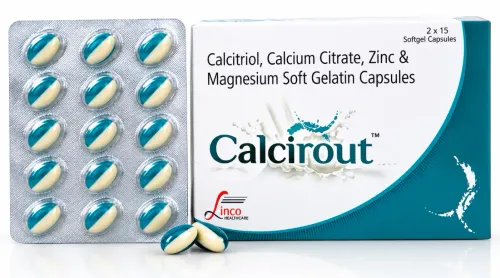


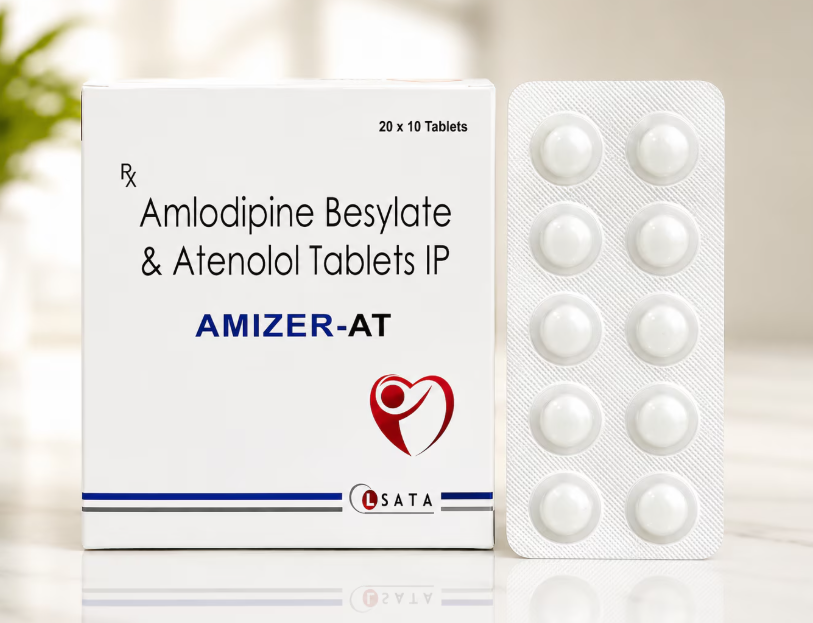
Growing pharmaceutical businesses often face an important decision: should they establish their own manufacturing facility or partner with an experienced pharmaceutical manufacturing company? The answer depends on business goals, investment capacity, regulatory responsibilities, and long-term growth plans. For many organizations across India, outsourcing production has become a practical strategy for expanding product portfolios while maintaining operational efficiency. Manufacturing centers like Panchkula, Haryana, have become preferred destinations for companies looking for reliable production partners.
Understanding In-House Manufacturing
In-house manufacturing means a company owns and operates its production facility. This approach offers greater operational control but also requires significant investments.
Businesses are responsible for:
- Infrastructure
- Machinery
- Regulatory compliance
- Quality assurance
- Production planning
- Workforce management
- Equipment maintenance
While suitable for large organizations, it may not always be practical for growing businesses.
Understanding Contract Pharmaceutical Manufacturing
Contract manufacturing allows businesses to outsource production to specialized pharmaceutical manufacturers while focusing on branding, sales, and market expansion.
The manufacturing partner typically manages:
- Production
- Quality testing
- Documentation
- Packaging
- Batch records
- Dispatch planning
This model has become increasingly popular among pharmaceutical startups and expanding healthcare brands.
Comparing Both Approaches
Investment
Building a manufacturing facility requires considerable capital investment, whereas outsourcing significantly reduces infrastructure costs.
Time to Market
Working with an established manufacturer generally allows faster product launches because production systems are already in place.
Regulatory Compliance
Experienced manufacturers are familiar with industry regulations and quality requirements, helping simplify operational processes.
Product Expansion
Companies using contract manufacturing can introduce additional formulations without investing in new production equipment.
When In-House Manufacturing Makes Sense
Operating your own facility may be suitable if your business:
- Requires complete production control
- Manufactures very large volumes
- Has sufficient financial resources
- Plans continuous product innovation
However, these advantages come with higher operational responsibilities.
When Outsourcing Is More Practical
Contract manufacturing is often preferred when businesses want to:
- Launch products quickly
- Reduce manufacturing risks
- Expand product ranges
- Enter new markets
- Improve cost efficiency
This flexibility supports both established companies and emerging pharmaceutical brands.
Choosing the Right Manufacturing Partner
If outsourcing production, evaluate manufacturers based on:
- Quality certifications
- Manufacturing capabilities
- Product portfolio
- Documentation systems
- Production capacity
- Communication practices
- Delivery performance
A reliable manufacturing partner contributes to stable long-term business growth.
Pharmaceutical Growth in Haryana
Haryana continues to strengthen its pharmaceutical manufacturing ecosystem with improved industrial infrastructure and skilled professionals. Panchkula, in particular, has attracted companies serving domestic and international healthcare markets through quality-driven manufacturing practices.
Final Perspective
There is no universal answer when choosing between in-house production and pharmaceutical manufacturing partnerships. The right decision depends on business objectives, financial resources, and operational priorities. Companies like Linco Healthcare Pvt. Ltd. demonstrate how experienced manufacturers can support healthcare businesses with dependable production solutions while allowing clients to focus on market development and customer relationships.