

Injectable medicines are among the most sensitive pharmaceutical products manufactured today. Unlike tablets, capsules, or syrups, injectable formulations are administered directly into the body, making their quality, sterility, and consistency extremely important. Hospitals, clinics, pharmaceutical distributors, institutional buyers, and healthcare procurement managers often evaluate injectable products with greater scrutiny because even minor manufacturing deviations can have serious implications.
As India's pharmaceutical industry continues to expand, manufacturing facilities in established pharmaceutical regions such as Panchkula are supporting the growing demand for high-quality injectable medicines. For businesses sourcing injectable products, understanding the manufacturing process and quality standards can help in selecting reliable pharmaceutical manufacturing partners.
What Is Injectable Manufacturing?
Injectable manufacturing is the process of producing sterile pharmaceutical formulations that are intended to be administered through injections. These products are manufactured in highly controlled environments using specialized equipment, validated production methods, and stringent quality assurance systems.
Injectable medicines are commonly used in:
- Hospitals
- Specialty clinics
- Emergency care
- Intensive care units
- Vaccination programs
- Chronic disease management
- Surgical procedures
Because these products bypass many of the body's natural defense mechanisms, maintaining sterility throughout production is essential.
Types of Injectable Products
Pharmaceutical manufacturers produce different types of injectable formulations depending on therapeutic requirements.
Some common categories include:
- Liquid injections
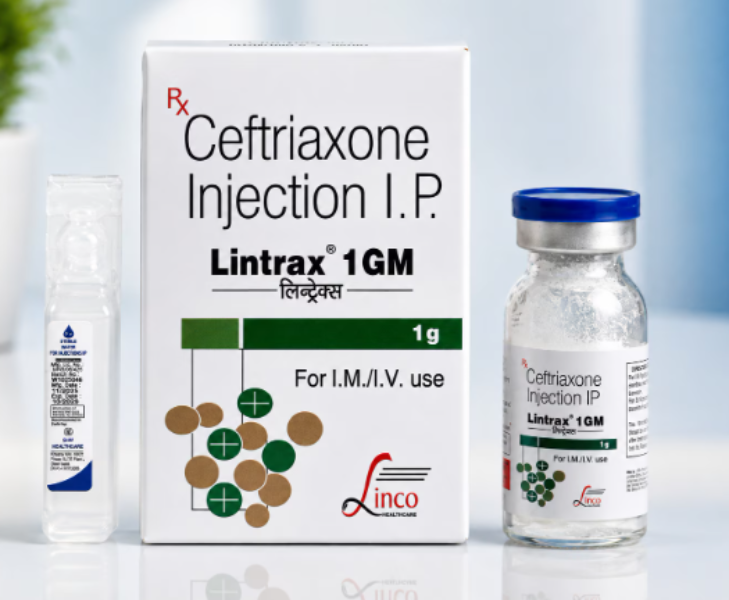
- Dry powder injections
- Lyophilized (freeze-dried) injections
- Intravenous infusions
- Biological formulations
- Nutritional injections
Each category requires specific manufacturing processes and quality controls to maintain product integrity.
Why Sterility Is the Foundation of Injectable Manufacturing
One of the defining characteristics of injectable medicines is that they must be sterile. Unlike oral medicines, injectable products cannot tolerate microbial contamination.
Maintaining sterility requires strict control over:
- Manufacturing environments
- Air quality
- Water systems
- Equipment sanitation
- Personnel hygiene
- Filling operations
- Packaging integrity
Specialized cleanroom environments are designed to reduce contamination risks throughout production.
The Injectable Manufacturing Process
Although production methods differ depending on the formulation, the overall workflow generally follows several carefully controlled stages.
Raw Material Testing
Every ingredient undergoes laboratory analysis before production begins. Raw materials are evaluated for purity, identity, and compliance with pharmaceutical specifications.
Solution Preparation
Ingredients are mixed using validated procedures under controlled environmental conditions. Precise measurements ensure that every batch meets formulation requirements.
Sterile Filtration
Many injectable formulations undergo sterile filtration to remove microorganisms before filling.
The filtration process itself must be validated to ensure product quality is maintained.
Filling and Sealing
Automated filling equipment dispenses the formulation into sterile vials, ampoules, or prefilled syringes.
Each container is sealed immediately to preserve sterility.
Inspection
Finished products undergo visual and automated inspection to identify any defects such as particulate matter, filling irregularities, or packaging issues.
Final Quality Testing
Before products are released, manufacturers conduct multiple quality evaluations, including:
- Sterility testing
- Assay testing
- Endotoxin testing
- Particulate matter analysis
- Container integrity testing
- Stability studies
Only batches meeting predefined specifications are approved for distribution.
What Healthcare Buyers Should Look For
Choosing an injectable manufacturing partner involves evaluating much more than production capacity.
Important considerations include:
- Sterile manufacturing facilities
- Quality management systems
- Modern cleanroom infrastructure
- Regulatory compliance
- Laboratory capabilities
- Documentation practices
- Batch traceability
- Production scalability
Manufacturers that invest in advanced infrastructure often provide greater consistency and reliability.
Why Documentation Is So Important
Comprehensive documentation is a critical part of injectable manufacturing.
Every production batch typically includes detailed records covering:
- Raw material usage
- Equipment calibration
- Environmental monitoring
- Manufacturing parameters
- Laboratory testing
- Packaging inspection
- Batch release procedures
Accurate documentation supports traceability, quality assurance, and regulatory compliance.
Panchkula's Role in Supporting Pharmaceutical Manufacturing
Panchkula has established itself as a growing pharmaceutical manufacturing destination due to its industrial infrastructure, strategic connectivity, and access to skilled pharmaceutical professionals. Manufacturers based in the region supply healthcare products to distributors, hospitals, clinics, institutional buyers, and pharmaceutical companies across India.
The region's expanding manufacturing ecosystem enables businesses to source pharmaceutical products from facilities equipped with modern production technologies and structured quality systems.
Linco Healthcare Pvt. Ltd. is one of the pharmaceutical manufacturers operating from Panchkula, supporting businesses through pharmaceutical manufacturing across multiple healthcare product categories. Organizations evaluating manufacturing partners typically review manufacturing capabilities, regulatory compliance, quality assurance practices, and operational consistency before developing long-term supply relationships.
Future Trends in Injectable Manufacturing
The pharmaceutical industry continues to adopt new technologies that improve manufacturing precision, efficiency, and product safety.
Some emerging trends include:
- Increased automation in sterile production
- Advanced environmental monitoring systems
- Digital batch documentation
- Automated visual inspection technologies
- Enhanced quality risk management
- Improved packaging solutions
These innovations help manufacturers maintain higher standards while meeting the increasing demand for injectable medicines worldwide.
As healthcare continues to evolve, injectable manufacturing will remain one of the most technically demanding areas of pharmaceutical production. Businesses that understand the importance of sterility, quality assurance, and manufacturing excellence are better positioned to select dependable partners capable of delivering consistent pharmaceutical products for hospitals, healthcare providers, and institutional buyers.