

The pharmaceutical industry offers a wide range of medicines that serve the same therapeutic purpose but may differ in branding, pricing, and market positioning. One of the most common questions among pharmaceutical distributors, retail pharmacy owners, healthcare entrepreneurs, and institutional buyers is whether to invest in generic medicines or branded medicines. Understanding the differences between the two is essential for making informed business decisions and meeting the needs of healthcare providers and patients.
As pharmaceutical manufacturing continues to grow across India, particularly in established industrial regions like Panchkula, businesses have access to manufacturers producing both generic and branded formulations under regulated quality standards. Rather than assuming one category is universally better than the other, it is important to evaluate each based on intended use, customer expectations, and business goals.
What Are Generic Medicines?
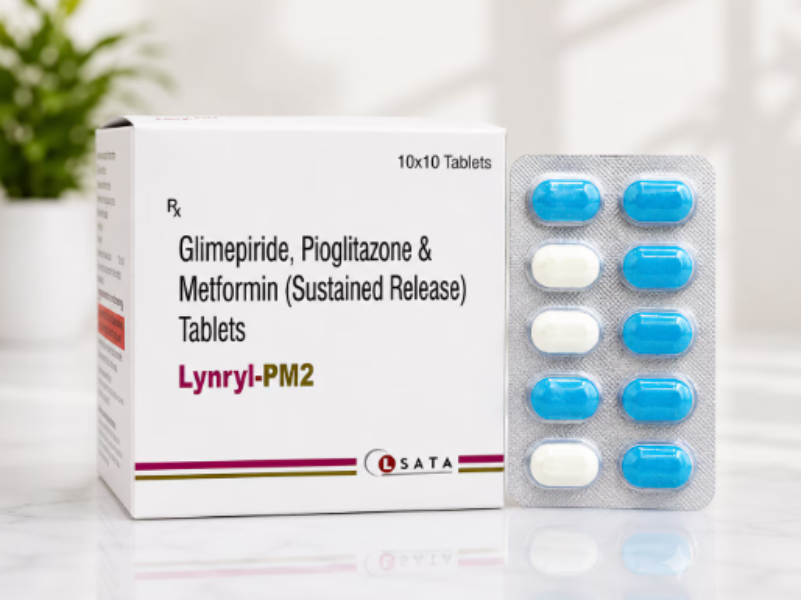
Generic medicines contain the same active pharmaceutical ingredient (API), dosage strength, dosage form, and intended use as their branded counterparts. They are manufactured after meeting applicable regulatory requirements and are designed to deliver the same therapeutic effect when used as directed.
The key difference is that generic medicines are marketed under their scientific or generic names instead of a specific brand name.
Examples of generic dosage forms include:
- Tablets
- Capsules
- Oral syrups
- Injectables
- Topical preparations
- Nutraceutical formulations
Today, generic medicines are widely used in hospitals, clinics, government healthcare programs, and retail pharmacies.
What Are Branded Medicines?
Branded medicines are marketed under a company-specific brand name. Although they may contain the same active ingredient as a generic medicine, the branding, packaging, marketing strategy, and market recognition distinguish them.
Healthcare professionals sometimes prescribe branded medicines based on familiarity, product availability, or established prescribing practices. Retail pharmacies often stock both branded and generic options to cater to different customer preferences.
Similarities Between Generic and Branded Medicines
Many people mistakenly assume that generic medicines are fundamentally different from branded medicines. In reality, both categories share several important characteristics.
They generally have:
- The same active pharmaceutical ingredient
- The same dosage strength
- Similar dosage forms
- The same intended therapeutic purpose
- Comparable quality standards when manufactured according to regulatory requirements
The manufacturing process for both types of medicines follows strict quality control procedures to maintain product consistency and safety.
Key Differences That Businesses Should Understand
While the therapeutic purpose may be similar, there are practical differences that influence purchasing decisions.
Branding
Branded medicines are promoted under a specific trade name, while generic medicines are identified by their generic names.
Pricing
Generic medicines are often more economical because they generally involve lower branding and promotional costs. However, pricing can vary depending on the manufacturer, product category, and market conditions.
Market Positioning
Branded medicines often benefit from stronger brand recognition among healthcare professionals and consumers. Generic medicines are increasingly gaining acceptance due to their affordability and wider accessibility.
Business Strategy
Some distributors focus primarily on branded portfolios, while others build their businesses around generic medicines. Many successful pharmaceutical businesses offer both to address diverse market requirements.
Factors to Consider Before Choosing a Product Portfolio
Businesses should avoid selecting products based solely on price. A balanced evaluation helps create a stronger and more sustainable pharmaceutical portfolio.
Consider the following factors:
- Product quality
- Manufacturing standards
- Regulatory compliance
- Market demand
- Availability
- Product range
- Supply consistency
- Packaging quality
Reliable product availability often has a greater impact on customer satisfaction than pricing alone.
Why Manufacturing Quality Is More Important Than Labels
Whether a medicine is marketed as generic or branded, manufacturing quality remains one of the most significant factors influencing buyer confidence.
A dependable pharmaceutical manufacturer follows structured quality systems that include:
- Raw material inspection
- Process validation
- In-process quality monitoring
- Finished product testing
- Batch documentation
- Stability studies
These measures help ensure that products maintain consistent quality from one batch to another.
The Growing Demand for Generic Medicines in India
India has witnessed increasing acceptance of generic medicines across multiple healthcare segments. Government initiatives, expanding healthcare access, and growing awareness have contributed to greater demand for quality generic pharmaceutical products.
Healthcare procurement managers, hospitals, and institutional buyers frequently evaluate generic medicines based on manufacturing standards, documentation, and supplier reliability rather than branding alone.
Manufacturing hubs like Panchkula continue to support this growing demand by supplying pharmaceutical products to businesses across different regions of the country.
Choosing the Right Pharmaceutical Company
For distributors, pharmacy owners, and healthcare entrepreneurs, selecting the right pharmaceutical company is just as important as selecting the right product category.
When evaluating a manufacturer, consider:
- Manufacturing capabilities
- Product diversity
- Quality assurance systems
- Regulatory compliance
- Consistent supply
- Technical expertise
- Packaging standards
- Professional communication
Companies that demonstrate consistency across these areas are often better equipped to support long-term business growth.
Linco Healthcare Pvt. Ltd. is one of the pharmaceutical manufacturers operating from Panchkula and supplying a range of healthcare products to businesses across India. Buyers evaluating manufacturing partners typically review production infrastructure, product quality systems, and operational reliability before establishing long-term collaborations.
Making an Informed Business Decision
The choice between generic medicines and branded medicines should be guided by market demand, customer expectations, and business objectives rather than common misconceptions. Both categories play an important role in today's healthcare ecosystem, and each offers unique opportunities depending on the target market.
By understanding the differences and focusing on product quality, manufacturing standards, and dependable supply, pharmaceutical businesses can build a well-balanced portfolio that supports sustainable growth while meeting the evolving needs of healthcare providers and patients.