

Contract manufacturing has become an integral part of the pharmaceutical industry, enabling businesses to scale operations without developing large manufacturing facilities of their own. As healthcare markets continue expanding, pharmaceutical companies increasingly rely on specialized manufacturers to produce medicines that meet regulatory standards while maintaining consistent quality.
For businesses exploring pharmaceutical opportunities across North India, manufacturing centers around Panchkula have emerged as preferred destinations because of their industrial ecosystem and growing pharmaceutical expertise.
What Is Contract Manufacturing?
Contract manufacturing is a business arrangement in which a pharmaceutical company outsources the production of medicines to an experienced manufacturing organization.
Unlike simple outsourcing, contract manufacturing often involves long-term collaboration covering:
- Product development support
- Manufacturing
- Packaging
- Quality testing
- Documentation
- Supply management
The marketing company focuses on sales and brand development, while the manufacturer handles production according to agreed specifications.
Why Contract Manufacturing Has Grown
Several industry changes have accelerated the demand for contract manufacturing.
These include:
- Rising healthcare demand
- Increasing regulatory requirements
- Higher infrastructure costs
- Expansion into new therapeutic categories
- Need for quicker product launches
Instead of investing heavily in production facilities, businesses can collaborate with experienced manufacturers and allocate resources toward market development.
Products Commonly Manufactured
Contract manufacturers produce numerous pharmaceutical categories, including:
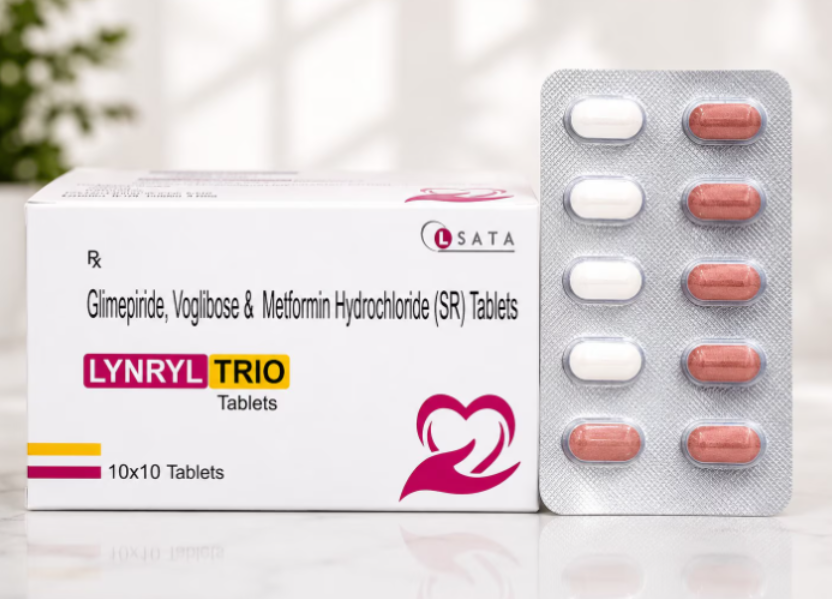
- Tablets
- Capsules
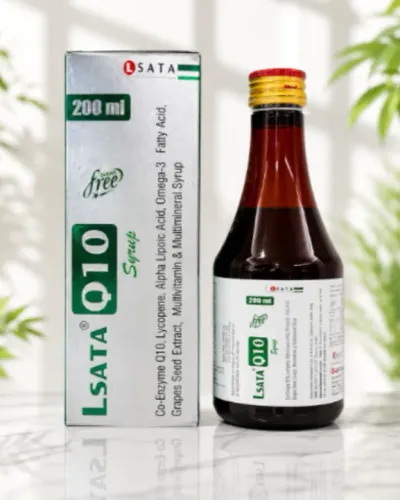
- Oral liquids
- Dry syrups
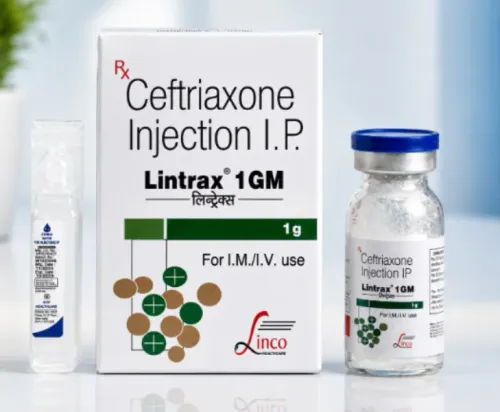
- Injectable formulations
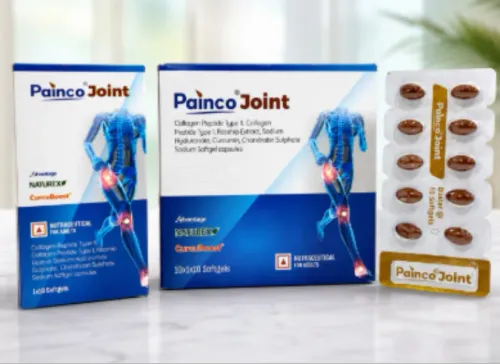
- Nutraceutical products
- Vitamin supplements
- Healthcare products
Many manufacturers offer multiple dosage forms under one facility, making portfolio expansion easier for clients.
Advantages of Contract Manufacturing
Access to Manufacturing Expertise
Experienced manufacturers possess technical knowledge developed through years of pharmaceutical production.
This expertise helps improve manufacturing efficiency while maintaining quality standards.
Better Resource Utilization
Businesses avoid spending heavily on:
- Manufacturing equipment
- Production facilities
- Laboratory infrastructure
- Technical staffing
Instead, they invest in product development, branding, and customer acquisition.
Scalability
As demand grows, production volumes can often be increased without requiring major investments from the marketing company.
This flexibility supports sustainable business growth.
Quality Assurance
Reliable manufacturers implement comprehensive quality systems throughout production.
These typically include:
- Raw material verification
- Process monitoring
- Batch testing
- Stability evaluation
- Documentation review
Such measures help maintain product consistency across multiple production cycles.
Important Questions Before Selecting a Contract Manufacturer
Businesses should evaluate potential partners carefully rather than focusing only on manufacturing costs.
Consider asking:
- What dosage forms can the manufacturer produce?
- How are quality systems managed?
- What testing procedures are followed?
- Can production capacity grow with business demand?
- How is batch documentation maintained?
- What packaging options are available?
- How are delivery timelines managed?
These questions provide better insight into long-term reliability.
Common Challenges and How to Avoid Them
Although contract manufacturing offers many advantages, careful planning remains essential.
Potential challenges include:
- Communication gaps
- Documentation delays
- Production scheduling issues
- Packaging inconsistencies
Many of these concerns can be minimized through clear agreements, detailed specifications, regular communication, and well-defined quality expectations.
Why Pharmaceutical Buyers Value Experienced Manufacturers
Healthcare procurement teams, distributors, and pharmaceutical companies increasingly seek manufacturing partners capable of maintaining consistency rather than simply offering competitive pricing.
Reliable manufacturers help ensure:
- Stable product quality
- Predictable supply
- Regulatory compliance
- Better inventory planning
- Reduced operational risk
Long-term partnerships often produce better business outcomes than frequently changing manufacturers.
Panchkula's Pharmaceutical Manufacturing Ecosystem
Panchkula continues to strengthen its position within India's pharmaceutical landscape through established industrial infrastructure and convenient connectivity with major healthcare markets.
Manufacturers operating from this region serve distributors, hospitals, clinics, institutional buyers, and pharmaceutical businesses across multiple states, making the location strategically valuable for contract manufacturing collaborations.
Linco Healthcare Pvt. Ltd. is among the companies contributing to this ecosystem by supporting pharmaceutical manufacturing requirements across different healthcare product categories. Businesses evaluating manufacturing partners often assess production capabilities, quality systems, product diversity, and operational reliability before entering long-term agreements.
Making an Informed Decision
Contract manufacturing is not simply about outsourcing production; it is about building a dependable business relationship capable of supporting consistent growth.
Businesses should look beyond pricing and consider manufacturing experience, regulatory compliance, product capabilities, quality assurance systems, and supply chain reliability. A well-chosen contract manufacturing partner can strengthen operational efficiency while allowing healthcare businesses to focus on expanding their presence in an increasingly competitive pharmaceutical market.