

Capsules are among the most widely used dosage forms in the pharmaceutical industry because they are easy to swallow, convenient to dose, and suitable for a broad range of medications and nutritional supplements. From antibiotics and vitamins to herbal formulations and specialty medicines, capsules are used across numerous therapeutic categories. While they appear simple on the outside, producing high-quality capsules requires a carefully controlled manufacturing process supported by advanced technology and strict quality standards.
For pharmaceutical distributors, healthcare entrepreneurs, retail pharmacy owners, hospitals, and institutional buyers, understanding how capsules are manufactured can help in selecting dependable manufacturing partners. As pharmaceutical manufacturing continues to expand across India, industrial centers such as Panchkula have become important contributors to the production of quality healthcare products that serve businesses across multiple states.
What Is Capsules Manufacturing?
Capsules manufacturing is the process of filling pharmaceutical formulations into hard or soft capsule shells under controlled production conditions. The goal is to ensure that every capsule contains the correct amount of the active pharmaceutical ingredient while maintaining consistency in appearance, stability, and performance.
Capsules are commonly used for:
- Prescription medicines
- Over-the-counter products
- Nutraceutical supplements
- Herbal formulations
- Vitamin and mineral products
- Specialty healthcare products
Each formulation requires careful development to ensure compatibility with the capsule shell and desired therapeutic performance.
Types of Pharmaceutical Capsules
Pharmaceutical manufacturers generally produce two primary types of capsules.
Hard Gelatin Capsules
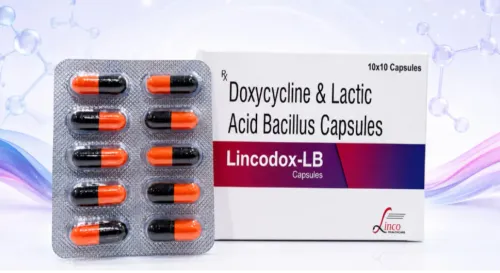
These consist of two separate shell pieces that are filled with powders, granules, pellets, or small tablets before being sealed. Hard gelatin capsules are widely used because they are versatile and suitable for a large number of pharmaceutical formulations.
Soft Gelatin Capsules
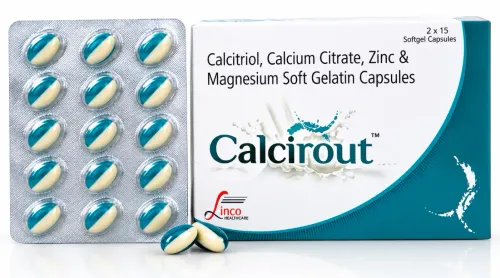
Soft gelatin capsules are manufactured as a single sealed unit and are commonly used for liquid or oil-based formulations such as vitamins, nutritional supplements, and certain prescription medicines.
The choice between hard and soft capsules depends on the formulation, product stability, and intended application.
The Capsules Manufacturing Process
Manufacturing pharmaceutical capsules involves multiple stages, each designed to maintain quality and consistency.
Raw Material Evaluation
Production begins with the inspection of active pharmaceutical ingredients and excipients. Laboratory testing confirms that raw materials meet predefined quality specifications before they are approved for manufacturing.
Formulation Development
The ingredients are blended according to validated formulations to achieve uniform distribution of the active ingredient. This stage is essential for ensuring that every capsule delivers the intended dosage.
Capsule Filling
Specialized automatic filling machines accurately fill each capsule with the prepared formulation. During production, manufacturers continuously monitor filling accuracy to maintain consistency across every batch.
Sealing and Inspection
Depending on the product type, capsules may be sealed to improve product integrity and reduce the risk of leakage or tampering. Automated inspection systems help identify capsules with visible defects before packaging.
Packaging
Finished capsules are packed in blister packs or bottles designed to protect them from moisture, light, and contamination during storage and transportation.
Why Quality Control Is Essential
Capsules manufacturing requires more than simply filling capsule shells. Every stage of production must be monitored to ensure that the final product meets pharmaceutical quality standards.
Quality control activities commonly include:
- Raw material testing
- Blend uniformity analysis
- Fill weight verification
- Dissolution testing
- Moisture analysis
- Microbiological testing
- Stability studies
- Packaging inspection
These evaluations help maintain product consistency and support reliable performance throughout the product's shelf life.
Benefits of High-Quality Capsules Manufacturing
Working with an experienced manufacturer provides several advantages for pharmaceutical businesses.
These include:
- Consistent product quality
- Accurate dosage in every capsule
- Reliable batch-to-batch production
- Better product stability
- Compliance with manufacturing standards
- Efficient large-scale production
For distributors and healthcare procurement teams, these factors contribute to dependable inventory management and customer satisfaction.
How to Evaluate a Capsules Manufacturing Partner
Choosing a manufacturing partner requires careful assessment beyond production capacity.
Important considerations include:
- Manufacturing infrastructure
- Product portfolio
- Quality assurance systems
- Laboratory capabilities
- Production scalability
- Documentation standards
- Packaging options
- Delivery reliability
A manufacturer that maintains structured production processes is often better equipped to support long-term business relationships.
The Importance of Pharmaceutical Manufacturing Hubs
Manufacturing location plays an important role in supply chain efficiency. Panchkula has developed into a recognized pharmaceutical manufacturing destination due to its industrial ecosystem, skilled workforce, and strong connectivity to major healthcare markets across North India.
Businesses sourcing pharmaceutical products from manufacturers in this region often benefit from efficient logistics, timely deliveries, and access to a wide variety of healthcare products.
Linco Healthcare Pvt. Ltd. is one of the pharmaceutical manufacturers operating from Panchkula, supporting businesses with manufacturing solutions across multiple dosage forms, including capsules. Organizations evaluating manufacturing partners generally review production capabilities, quality management practices, regulatory compliance, and operational consistency before establishing long-term collaborations.
Emerging Trends in Capsules Manufacturing
The pharmaceutical industry continues to evolve with advances in manufacturing technology and product innovation. Modern capsule production increasingly incorporates automated filling systems, digital quality monitoring, improved formulation techniques, and enhanced packaging solutions to improve efficiency and product consistency.
Growing demand for nutraceuticals, preventive healthcare products, and specialized pharmaceutical formulations is also driving innovation in capsule manufacturing. Manufacturers that invest in advanced production systems and robust quality practices are better positioned to meet the changing needs of healthcare providers, distributors, and consumers.
As the pharmaceutical market continues to expand, businesses that understand the fundamentals of capsules manufacturing can make more informed decisions when selecting manufacturing partners and developing product portfolios that support long-term growth.