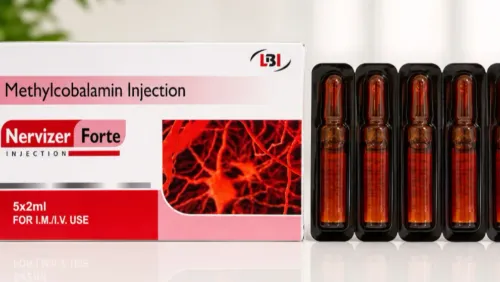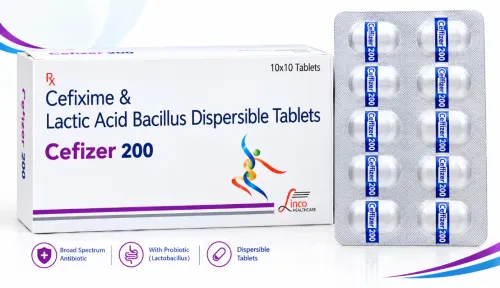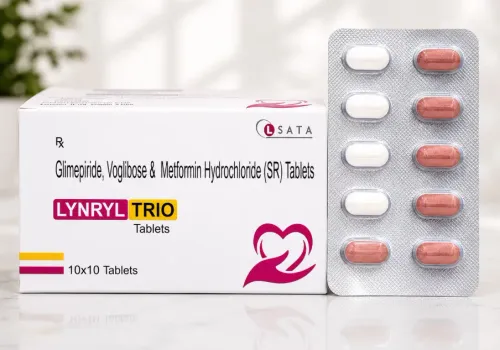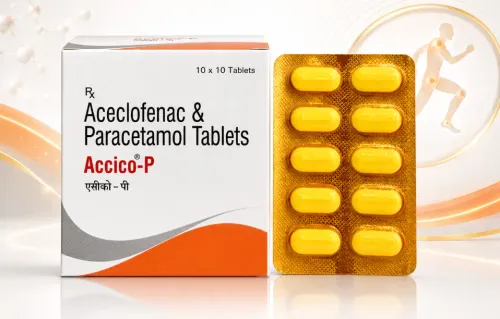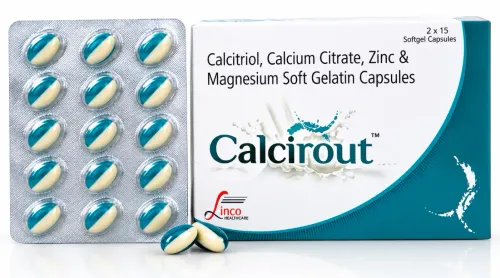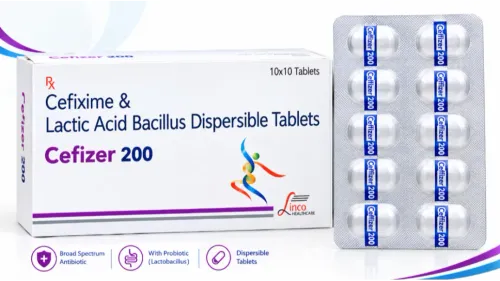
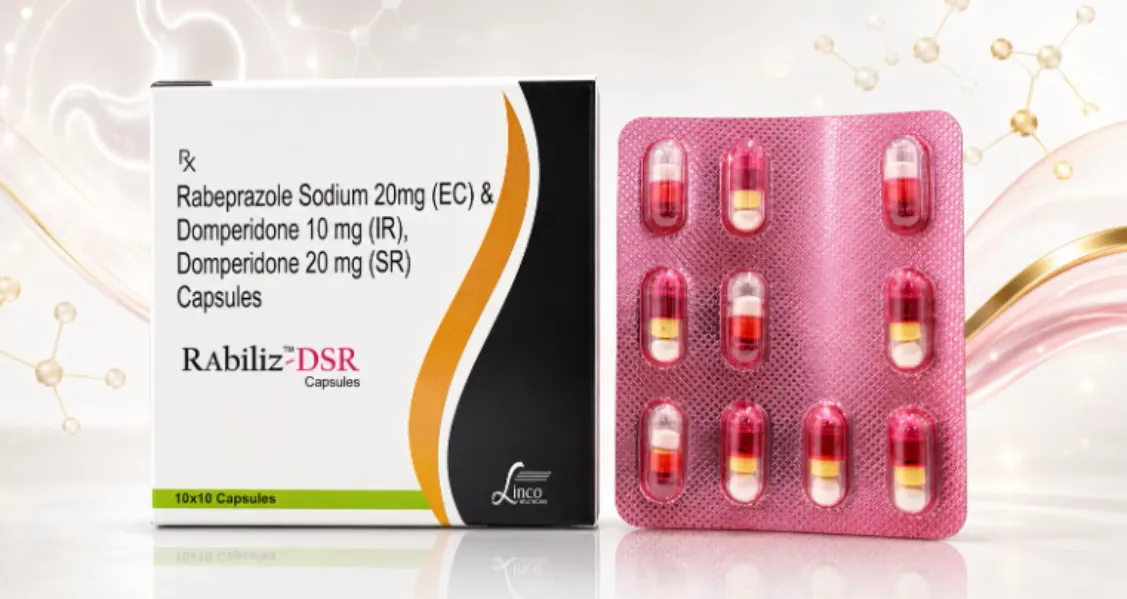
As the pharmaceutical industry continues to expand, many businesses prefer third party pharma manufacturing to launch products without investing in their own production facilities. This model allows pharmaceutical companies, distributors, and healthcare brands to focus on marketing, sales, and business development while experienced manufacturers handle production. In growing pharmaceutical regions like Panchkula, Haryana, third-party manufacturing has become an important business solution for organizations of all sizes.
What Is Third Party Pharma Manufacturing?
Third party pharma manufacturing is an arrangement in which one company manufactures pharmaceutical products on behalf of another business using agreed specifications and regulatory requirements.
The brand owner retains ownership of the products while the manufacturer manages production, quality control, packaging, and delivery according to approved standards.
Why Businesses Choose Third Party Manufacturing
Many pharmaceutical companies adopt this approach because it offers flexibility and operational efficiency.
Some common reasons include:
- Lower capital investment
- Faster product launch
- Access to manufacturing expertise
- Reduced operational complexity
- Better production scalability
- Wider product portfolio
This approach is especially useful for startups and expanding pharmaceutical businesses.
Industries That Benefit
Third-party manufacturing supports many healthcare sectors, including:
- Pharmaceutical companies
- Nutraceutical brands
- Hospital suppliers
- Retail pharmacy chains
- Government procurement businesses
- Export companies
- Healthcare distributors
Each organization can focus on its core strengths while relying on experienced manufacturers for production.
Important Factors to Evaluate
Selecting the right manufacturing partner requires careful assessment.
Manufacturing Standards
Verify compliance with recognized quality systems such as WHO-GMP.
Product Range
Choose a manufacturer capable of producing multiple dosage forms if future expansion is planned.
Quality Assurance
Understand the testing procedures performed before product release.
Production Capacity
Ensure the facility can meet current and future demand.
Documentation
Proper documentation supports regulatory compliance and traceability.
Packaging Support
Flexible packaging options can improve product positioning across different markets.
Questions to Ask Before Finalizing a Partner
Before signing a manufacturing agreement, consider asking:
- What certifications does the facility hold?
- How are raw materials sourced?
- What quality checks are conducted?
- Can customized formulations be developed?
- What are the production timelines?
- How is confidentiality maintained?
- Is technical support available?
These questions help reduce operational risks.
Common Misconceptions
Some businesses assume third-party manufacturing compromises quality. In reality, reputable manufacturers operate under strict quality management systems and follow documented manufacturing processes that ensure product consistency.
Another misconception is that only large pharmaceutical companies can benefit from outsourcing. In fact, startups, regional distributors, and specialty healthcare brands frequently use third-party manufacturing to enter competitive markets efficiently.
Growing Opportunities in Panchkula
Panchkula has developed into an important pharmaceutical manufacturing destination due to its industrial infrastructure, skilled workforce, and connectivity with major healthcare markets across North India. This has created opportunities for businesses seeking dependable manufacturing partnerships while maintaining high quality standards.
Final Thoughts
Choosing a third-party pharma manufacturing company involves much more than comparing production costs. Quality systems, technical expertise, manufacturing capacity, regulatory compliance, and long-term reliability all contribute to a successful partnership. Companies like Linco Healthcare Pvt. Ltd. demonstrate how experienced manufacturers can support pharmaceutical businesses with dependable production capabilities, helping brands bring quality medicines to market efficiently while maintaining consistent manufacturing standards.
Keywords